Skills People Gain Through Practical First Aid Courses In Darwin
Modern communities value emergency preparedness more than ever before. Whether at home, in schools, workplaces, or recreational settings, people are recognising the importance of knowing how to respond during unexpected medical situations. This growing awareness has encouraged many individuals to enrol in first aid training programs that focus on practical learning rather than only theoretical instruction. Through practical first aid courses Darwin, participants develop confidence, quick thinking abilities, and hands-on emergency response skills that can prove valuable in many real-life situations.
Learning How To Respond Calmly During Emergencies
One of the most important skills people gain through practical first aid training is the ability to stay calm during stressful moments. Emergencies often create panic, confusion, and emotional reactions that can make situations worse. Practical training sessions expose learners to simulated emergency environments where they practice responding under pressure.
By repeatedly working through emergency scenarios, participants learn how to focus on immediate priorities, communicate effectively, and make informed decisions. This type of preparation helps people respond more efficiently if they ever encounter accidents, injuries, or sudden illnesses in daily life.
Building Confidence In CPR Techniques
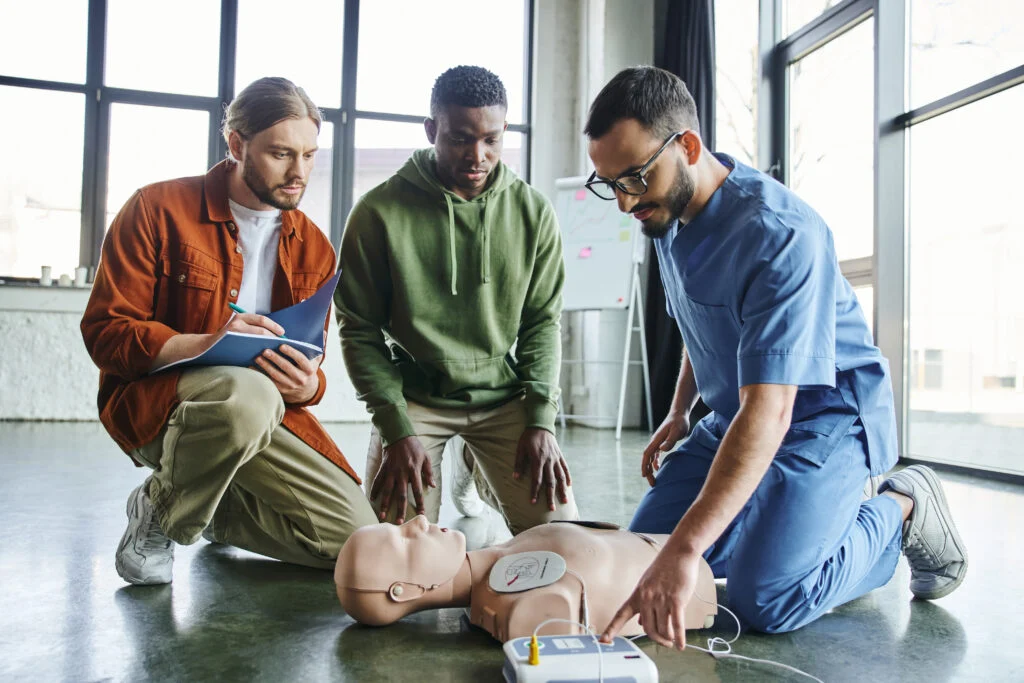
Cardiopulmonary resuscitation is one of the most valuable emergency skills taught during practical training. Many people feel nervous about performing CPR because they fear making mistakes or causing harm. Practical instruction removes much of this uncertainty by allowing participants to practice proper techniques under professional supervision.
Programs such as Fast First Aid CPR often emphasise repeated hands-on demonstrations that help learners understand chest compressions, breathing assistance, and emergency response timing. Practising these skills in realistic training environments helps participants become more confident in their ability to assist someone experiencing cardiac arrest or breathing difficulties.
Developing Communication Skills During Emergencies
Emergency situations require clear and organised communication. During practical first aid sessions, learners are taught how to communicate with injured individuals, emergency responders, coworkers, teachers, or family members during stressful situations.
Participants practice explaining symptoms, providing reassurance, and relaying important details to medical professionals. Strong communication skills can help emergency teams respond more efficiently while also helping injured individuals remain calm until professional assistance arrives.
These communication abilities often extend beyond emergency settings and can positively influence workplace teamwork and everyday interactions.
Understanding Injury Assessment Procedures
Practical first aid training also teaches participants how to assess injuries before taking action. Rather than reacting impulsively, learners are guided through structured assessment techniques that prioritise safety and effective care.
Participants learn how to identify signs of fractures, burns, allergic reactions, bleeding, or unconsciousness. They are also taught how to evaluate environmental dangers before assisting others. This step-by-step assessment process helps reduce unnecessary risks while improving the quality of emergency care provided.
Understanding injury assessment can be especially useful in workplaces, sports environments, schools, and community events where accidents may occur unexpectedly.
Improving Awareness Of Child Safety Needs
Many practical training courses include education focused on children and young people. Emergency response procedures for infants and children can differ significantly from those used for adults, making specialised knowledge extremely important for parents, teachers, and childcare workers.
Courses like Provide First Aid In An Education and Care Setting help participants understand age-specific emergency care procedures, injury prevention strategies, and child-focused safety awareness. Learners gain practical experience responding to situations involving choking, allergic reactions, falls, and other incidents commonly associated with younger age groups.
This type of training strengthens confidence among caregivers while supporting safer educational and recreational environments for children.
Learning Teamwork And Leadership Skills
Practical emergency response training frequently involves group activities and scenario-based exercises. These exercises encourage teamwork, cooperation, and leadership development. Participants learn how to coordinate responsibilities, support one another, and respond efficiently as part of a team during emergencies.
Some individuals naturally step into leadership roles during training exercises, while others improve their ability to follow instructions clearly and assist effectively. These teamwork skills can benefit professional environments, volunteer organisations, sporting groups, and community activities.
The ability to remain organised and cooperative during emergencies often translates into stronger problem-solving abilities in everyday situations as well.
Gaining Greater Safety Awareness
First aid education does more than teach emergency treatment methods. It also increases awareness of accident prevention and environmental safety. Participants become more attentive to potential hazards at home, work, or public spaces after completing practical training.
People often begin identifying unsafe conditions more quickly, including trip hazards, improper equipment use, unsafe storage practices, or poor emergency planning. This improved awareness encourages safer habits that may help reduce the likelihood of accidents occurring in the first place.
Safety awareness is especially valuable in physically demanding industries, educational environments, hospitality settings, and sporting activities where risks can change quickly.
Conclusion
Practical first aid courses in Darwin provide people with far more than basic medical knowledge. Participants gain confidence, communication abilities, leadership skills, safety awareness, and the ability to respond calmly during emergencies. Through realistic hands-on learning experiences, individuals become better prepared to assist others in stressful situations while also improving their overall awareness of personal and community safety.