
Preparing Educators for Unexpected Emergencies With Childcare First Aid Skills
Children are naturally active, curious, and energetic, which makes childcare environments lively and engaging spaces. At the same time, these settings can also present unexpected situations where quick thinking and immediate action become essential. From minor injuries to more serious medical incidents, educators often become the first line of response before professional medical help arrives. This is why childcare first aid training has become a critical part of professional development for educators and caregivers.
The ability to respond calmly during emergencies not only protects children but also creates a safer and more reassuring environment for families and staff. Proper first aid preparation equips educators with practical knowledge that can make a significant difference during critical moments.
The Importance of Emergency Readiness in Childcare
Emergencies in childcare settings can happen without warning. A child may experience an allergic reaction, choking incident, fall, or asthma attack during normal daily activities. In such moments, every second matters. Educators who are trained in first aid are better prepared to assess situations quickly and provide immediate assistance until medical professionals arrive.
Parents place enormous trust in childcare providers to ensure the well-being of their children throughout the day. Knowing that staff members are trained to handle emergencies confidently helps strengthen that trust. It also supports compliance with childcare safety standards and workplace regulations.
Programs such as Provide First Aid In An Education and Care Setting are specifically designed to prepare educators for situations commonly faced in schools, daycare centres, and early learning facilities. These courses focus on practical emergency response techniques tailored to the needs of children and infants.
Building Confidence Through Practical Training
One of the biggest advantages of first aid education is the confidence it develops in childcare professionals. Emergencies can be stressful and emotionally challenging, especially when young children are involved. Without proper preparation, panic and hesitation may affect decision-making.
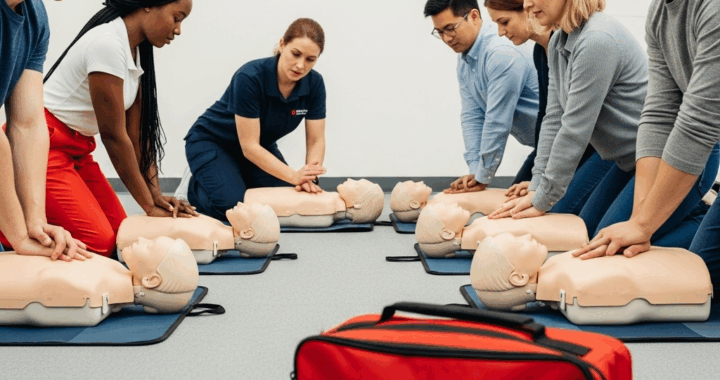
Hands-on first aid training helps educators stay calm under pressure by teaching them step-by-step procedures for responding to emergencies. Training sessions often include CPR practice, wound care management, asthma response techniques, and handling allergic reactions. Repeated practice improves reaction times and helps staff feel more capable when real incidents occur.
Many educators who pursue advanced professional development pathways, including Cert IV TAE, often find that strong communication and instructional skills also enhance their ability to guide others during emergencies. This combination of leadership and safety awareness contributes to more effective childcare environments.
Supporting a Safer Learning Environment
Childcare centres are not only places for education and development. They are also spaces where children should feel safe and protected. A well-trained team contributes significantly to maintaining this sense of security.
First aid training encourages educators to become more aware of potential risks within the environment. They learn how to identify hazards, reduce accidents, and respond appropriately when incidents occur. This proactive approach helps prevent minor situations from escalating into more serious problems.
Educators with emergency response knowledge can also provide reassurance to children during stressful situations. Calm guidance from trusted adults often helps children remain less frightened while receiving care or waiting for medical assistance.
Professional Growth for Educators
First aid skills are increasingly viewed as essential qualifications within the childcare and education sector. Employers value staff members who can contribute to both safety and operational readiness. As a result, many educators seek additional certifications and professional training opportunities to strengthen their capabilities.
Courses such as Cert IV Training and Assessment Canberra may support educators who want to expand their teaching and instructional expertise while continuing to work within professional training environments. Combining educational leadership with first aid competence creates stronger teams and improves overall workplace preparedness.
Continuous learning also ensures that educators remain updated on current safety procedures and emergency response standards. Since medical recommendations and childcare guidelines may evolve over time, refresher training helps maintain high-quality care.
Creating Trust With Families
Parents expect childcare providers to prioritise safety alongside education. When families know that educators are trained in emergency response procedures, it provides reassurance that their children are in capable hands.
First aid preparedness reflects professionalism, responsibility, and commitment to child wellbeing. It demonstrates that childcare providers take proactive measures to protect children in every situation, including unexpected emergencies.
In modern childcare settings, first aid training is no longer viewed as optional knowledge. It has become a vital part of creating safe, supportive, and responsive environments where children can learn and grow with confidence.