
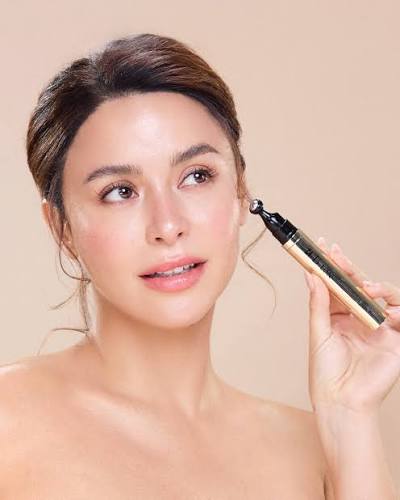
Brighter, Smoother, Wide-Awake Eyes: How to Pair a Brightening Eye Cream with a Retinol Serum
The skin around your eyes is the first place fatigue, screen time, and the passing years show up. It is also the thinnest and most delicate skin on your face. A routine that works for your cheeks or forehead can be too heavy or too harsh here, so a targeted approach matters.
This guide covers what causes tired-looking eyes, what a brightening eye cream does, how a retinol eye serum fits in, and how to combine them without irritation.
Why the Eye Area Ages Faster
The skin around the eyes is much thinner than on the rest of the face and has fewer oil glands. That makes it prone to dryness and fine lines. Add the thousands of blinks, squints, and smiles you make every day, and expression lines appear early.
Dark circles and puffiness have several common causes:
- Genetics: Some people naturally have more visible blood vessels or pigmentation under the eyes.
- Lack of sleep: Fatigue can make skin look paler, so shadows stand out.
- Sun exposure: UV rays break down collagen and can deepen pigmentation.
- Dehydration and diet: Too little water or too much salt can worsen puffiness.
- Screen time and rubbing: Strain and friction irritate the delicate skin.
Because the causes are varied, the best results usually come from combining products that tackle different concerns.
What a Brightening Eye Cream Actually Does
A brightening eye cream aims to make the eye area look fresher and more even. Formulas in this category typically combine moisturizing ingredients with actives that target dullness and uneven tone. Hydration alone can make fine lines look softer, because well-moisturized skin looks plumper and reflects light better.
If your main concerns are shadows, dullness, and a tired look, a product like this truly transforming brightening eye cream is a sensible place to start. Look for a lightweight texture that absorbs quickly, so it sits comfortably under makeup and sunscreen.
Keep realistic expectations. No eye cream erases genetic dark circles overnight. With consistent use, though, you can expect smoother texture, better hydration, and a brighter overall look.
Where Retinol Fits In
Retinol, a form of vitamin A, is one of the most widely studied ingredients in skincare. It supports cell turnover and helps skin look smoother and firmer over time. That makes it popular for fine lines around the eyes, one of the first places they appear.
The challenge is sensitivity. Retinol can cause dryness, flaking, or redness, especially on thin skin. That is why eye-specific formulas exist. They are designed with the delicate area in mind, and they are often easier to use than a face product applied near the eyes.
An option like the eyemultitasker retinol serum gives you the benefits of retinol in a format made for this zone. As with any retinol, start slowly and let your skin adjust.
How to Build a Simple Eye Care Routine
You don’t need a long routine. Pairing a brightening eye cream with a retinol serum can work well if you split them between morning and night.
- Morning: cleanse gently. Use lukewarm water and a mild cleanser, then pat dry.
- Morning: apply your brightening eye cream. Use a small amount, about a grain of rice per eye, and tap it in with your ring finger.
- Morning: finish with sunscreen. Sun protection is essential for preventing pigmentation and collagen loss. Apply SPF around the orbital bone, avoiding the lash line.
- Evening: cleanse and dry thoroughly. Damp skin can increase irritation from retinol.
- Evening: apply your retinol serum. Start two or three nights a week, then increase as tolerated.
- Evening: seal with moisturizer if needed. If your skin feels tight, layer a gentle moisturizer on top.
This split keeps brightening and protection in the daytime and renewal at night. It also reduces the chance of overloading your skin with actives at once.
Tips for Getting the Best Results
A few habits make any eye product work better:
- Patch test first. Try a new product on a small area for a few days before using it around the eyes.
- Be patient. Skin takes weeks to show visible change, and retinol often takes a couple of months.
- Use a gentle touch. Pat rather than rub, and never drag the skin.
- Don’t skip sunscreen. Retinol can make skin more sun-sensitive, so daily SPF matters even more.
- Support the basics. Good sleep, hydration, and a balanced diet amplify what your products do.
If you have very sensitive skin, a skin condition, or you are pregnant or breastfeeding, talk to a dermatologist or doctor before starting retinol.
Common Mistakes to Avoid
The biggest mistake is using too much, too soon. More product does not mean faster results, and overdoing retinol can lead to irritation that sets your routine back. Another is expecting one product to fix everything. Brightening, hydration, and fine-line care are different jobs, which is why combining a cream and a serum often outperforms either alone.
Finally, don’t chase trends. Choose products with clear purposes, introduce them one at a time, and give each a fair trial.
Final Thoughts
Healthy-looking eyes come from consistency, protection, and the right tools. A brightening eye cream can bring hydration and radiance, while a retinol serum supports smoother, firmer-looking skin over time. Used thoughtfully and split between day and night, they make a simple and effective duo.