
Smarter Closet Illumination: Key Considerations for LED Strip Projects
Closet lighting has a direct effect on how easily people can find clothing, distinguish colours, and use storage space. Dark corners and deep shelves often remain poorly illuminated by a central ceiling light, making integrated lighting a practical option. A carefully specified recessed LED profile can create a discreet lighting line within shelving or cabinetry, while LEDIA Lighting offers solutions for furniture and interior applications.
Why Closet Lighting Is Becoming Part of Furniture Design
Modern storage systems increasingly combine visual appeal with everyday convenience. Built-in wardrobes, walk-in closets, and modular cabinets often feature deep compartments where ambient room lighting cannot reach effectively. Integrated illumination brings light closer to the stored items, improving visibility without requiring additional floor or wall fixtures.
The benefits extend beyond finding clothes. Light inside drawers can make smaller accessories easier to identify, while illumination beneath shelves can reduce shadows across lower storage sections. In retail environments, similar techniques help present garments and accessories with greater visual clarity.
Furniture designers also consider lighting during the planning stage rather than treating it as an afterthought. Early coordination allows space for wiring, drivers, profiles, and access points, reducing the need for modifications after cabinetry has been installed.
Selecting the Right Strip and Light Quality
Different closet layouts call for different lighting formats. Narrow wardrobe sections may need compact strips, while long hanging compartments can benefit from continuous illumination along the side or upper edge. A flexible silicone LED strip light may be suitable for certain curved or decorative details, although its dimensions, bending direction, and mounting requirements should be checked against the furniture design.
Brightness should reflect the depth and function of each storage area. A strip used inside a shallow cabinet does not necessarily need the same output as one illuminating a deep wardrobe. Buyers can compare lumens per metre, power consumption, and beam angle to estimate how effectively light will reach the intended surfaces.
Colour temperature influences the appearance of fabrics and the atmosphere of the room. Warm white can complement wood finishes and create a softer residential feel, while neutral white may be useful in dressing areas where clothing colours need to be viewed clearly. CRI is also relevant: a higher value can support more faithful colour rendering, which matters when users are comparing similar shades.
Colour consistency deserves attention in larger installations. If several strips are installed across different wardrobe sections, variations between batches may become noticeable. Buyers should ask about colour binning and confirm that replacement products will match the original specification as closely as possible.
Plan Profiles, Power, and Installation Details
The mounting method affects both appearance and durability. A recessed channel can sit flush with a cabinet panel, creating a neat integrated finish, while a surface-mounted profile may be more practical when the furniture cannot accommodate a routed groove. Diffusers can soften visible LED points and help distribute light more evenly across nearby surfaces.
Before installation, the profile dimensions should be compared with the strip width and available cabinet space. Cutting intervals, connector types, cable exits, and access to the power supply also need to be considered. These details are particularly important in custom wardrobes, where panels may be difficult to modify after assembly.
Electrical planning should account for voltage, total wattage, driver capacity, and the length of each lighting run. Long strips may experience voltage drop, which can cause brightness differences between the beginning and end of the installation. The manufacturer’s recommended maximum run length and power-feed arrangement should be checked before the wiring layout is finalised.
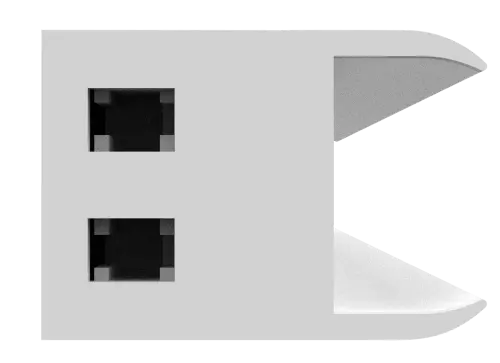
Some furniture applications benefit from adjustable colour temperature. LEDIA Lighting’s Built-in & Free cutting Alu Profile Strip Light F02 uses a two-wire CCT design that allows two colour temperatures to be changed to create different atmospheres. Its patented quick plug-in connection supports free cutting and soldering-free installation, making it suitable for integrated applications such as closets, wardrobes, under-cabinet areas, and retail showcases.
Consider Maintenance, Safety, and Daily Use
Closet lighting is often operated frequently, so the control method should suit household routines. Door sensors can switch lights on when a wardrobe opens, while touch switches and motion sensors offer other ways to control illumination. The sensor’s detection range and response should be tested in the actual cabinet layout to avoid unwanted switching.
Heat management and material compatibility should not be overlooked. Aluminium profiles can help dissipate heat and protect the strip, while suitable mounting materials reduce the risk of adhesive failure. In enclosed compartments, the selected system should follow the manufacturer’s installation guidance regarding ventilation and operating temperature.
Dust and moisture exposure vary by location. A bedroom wardrobe usually has different protection requirements from cabinetry near a kitchen sink or a humid dressing area. IP ratings describe defined levels of protection, but buyers should also check whether connectors, cut ends, and power components have matching protection where necessary.
Maintenance access is another practical detail. Drivers and connection points should remain reachable without dismantling large sections of furniture. A replaceable strip or accessible profile can make future repairs less disruptive, particularly in built-in wardrobes and commercial display systems.
Conclusion
Closet illumination is no longer simply an optional decorative detail; it can improve storage usability while contributing to the overall interior design. The right combination of light output, colour quality, mounting format, controls, and electrical planning determines how well the installation performs. A suitable recessed LED profile can create an integrated finish, while a flexible silicone LED strip light may serve applications that call for a different form factor.
LEDIA Lighting provides furniture-oriented lighting options, including solutions with adjustable colour temperature and simplified installation features. By reviewing the cabinet structure, intended lighting effect, and technical specifications before procurement, buyers can develop closet lighting systems that are practical to install and comfortable to use.