
Acoxy vs. Neutral Cure: Technical Insights from a Silicone Sealant Manufacturer
When selecting a silicone sealant, many users focus on visible properties such as flexibility, waterproofing ability, or adhesion strength. However, the curing system behind the product often influences whether the sealant can deliver reliable performance in a specific application.
Acoxy and neutral cure silicone sealants may look similar after curing, but their chemical reactions create different advantages and limitations.
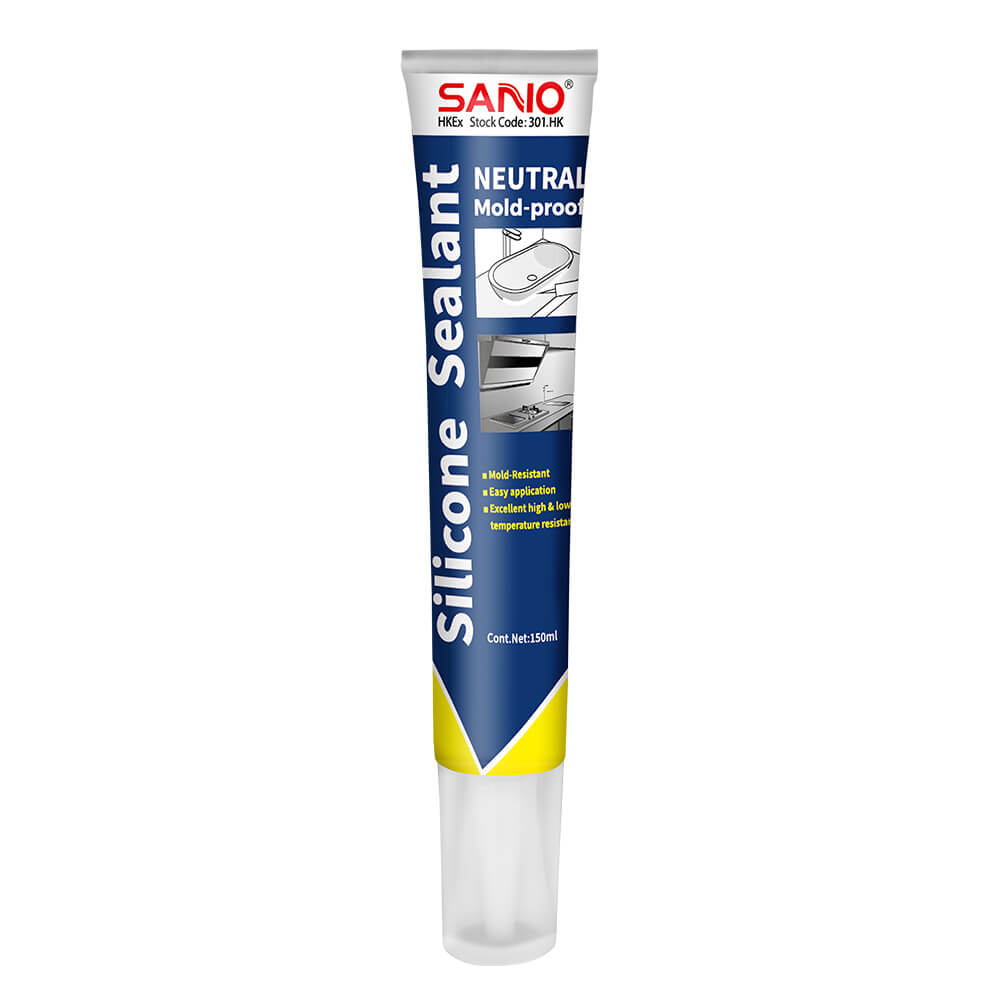
Product comparison tables are a starting point, not a final answer. The real decision lies in how a curing technology behaves on specific substrates, under varied installation conditions, and over years of service. SANVO, as a silicone sealant manufacturer, helps users move beyond price and speed to make choices grounded in performance understanding.
Acoxy vs. Neutral Cure: Different Chemistry Creates Different Results
The primary difference between acoxy and neutral cure silicone sealants comes from their curing mechanisms.
Acoxy silicone, also known as acetoxy cure silicone, releases acetic acid during the curing process. This chemical reaction allows the sealant to develop adhesion quickly and provides strong bonding performance on suitable non-porous surfaces. The acidic curing process is one reason why acoxy products are widely used for glass and ceramic sealing applications.
Neutral cure silicone follows a different reaction process. Instead of releasing acidic substances, it produces neutral by-products during curing. This reduces the possibility of chemical reactions with sensitive materials and improves compatibility across a wider range of substrates.
From a technical perspective, neither system is automatically superior. Acoxy provides advantages when fast bonding and compatible surfaces are the priority, while neutral cure offers greater flexibility when material protection and application diversity are more important.
Curing Speed Comparison: Fast Installation or Balanced Performance?
Curing speed is one of the most noticeable differences between acoxy and neutral cure silicone sealants.
Acoxy silicone generally develops initial adhesion quickly, allowing installers to complete certain sealing tasks efficiently. In projects involving glass panels, ceramic surfaces, or simple indoor sealing applications, faster curing can help improve installation productivity.
Neutral cure silicone typically cures at a different pace depending on formulation and environmental conditions. Although it may not always provide the fastest initial bond, it offers advantages when the application requires careful interaction with sensitive materials.
For professional projects, faster curing does not always equal better performance. A sealant that cures quickly but reacts negatively with the substrate may create long-term problems. Therefore, curing speed should be evaluated together with service requirements, not considered as the only selection factor.
Substrate Compatibility: The Main Difference Between Two Technologies
The choice between acoxy and neutral cure often depends on what materials the sealant will contact.
Acoxy silicone performs well on materials such as glass and glazed ceramics because these surfaces are generally resistant to acidic curing conditions. In these applications, its strong adhesion and efficient curing behavior make it a practical option.
However, some metals, coatings, and sensitive materials may not be suitable for direct contact with acoxy systems. The acidic by-products released during curing can potentially affect surface appearance or cause unwanted reactions.
Neutral cure silicone provides broader compatibility because its curing process is less chemically aggressive. It is commonly considered for applications involving aluminum frames, coated surfaces, plastics, natural stone, and other materials where maintaining surface integrity is critical.
This difference makes neutral cure especially valuable in projects where multiple materials are combined within one structure.
Application Comparison: Where Acoxy and Neutral Cure Are Commonly Used
The best choice between acoxy and neutral cure depends heavily on the application environment.
Acoxy silicone is often selected for:
Glass assembly and glazing applications
Bathroom and sanitary sealing
Ceramic sealing projects
Indoor applications using chemically stable surfaces
Its main advantages are efficient curing and reliable adhesion when the substrate is suitable.
Neutral cure silicone is commonly preferred for:
Architectural exterior sealing
Metal and coated surface applications
Industrial equipment assembly
Projects involving multiple substrate types
Its wider compatibility makes it suitable for more demanding environments where material protection is important.
For example, a glass shower enclosure may benefit from the quick bonding characteristics of acoxy silicone, while an exterior aluminum curtain wall may require neutral cure technology to reduce compatibility risks.
Performance Trade-Offs Engineers Should Consider
Choosing between these two silicone technologies requires understanding the balance between advantages and limitations.
Acoxy silicone provides:
Faster curing characteristics
Strong adhesion on suitable surfaces
Efficient installation for compatible applications
However, its use may be restricted when acidic curing by-products could affect surrounding materials.
Neutral cure silicone provides:
Broader substrate compatibility
Lower risk of chemical interaction
Better suitability for complex construction and industrial applications
The trade-off is that some formulations may require different curing conditions and installation planning.
Engineers should evaluate the complete application instead of comparing only one performance value. Adhesion strength, curing behavior, material compatibility, and environmental exposure all influence final results.
How to Choose Between Acoxy and Neutral Cure Silicone Sealants
The selection process should always start with project requirements, not sealant categories. Acetoxy silicone can be an efficient choice when the primary need is rapid sealing on stable surfaces—especially when the installer understands substrate limitations and has confirmed compatibility.
On projects that involve expensive materials, outdoor exposure, or complex assemblies, neutral cure silicone is often the safer path. Its wider compatibility range helps minimize the risk of unexpected reactions after installation, offering greater peace of mind for demanding applications.
A professional silicone sealant manufacturer can support this decision by providing technical information about formulation characteristics, recommended applications, and compatibility considerations. This guidance helps customers select a product based on engineering requirements rather than general assumptions.
Conclusion
Acoxy and neutral cure silicone sealants are designed for different application needs. Acoxy systems offer fast curing and dependable bonding on compatible surfaces, while neutral cure systems provide wider material compatibility and better adaptability for complex projects.
Chemical knowledge alone isn’t enough—application experience matters just as much. SANVO brings both to help customers distinguish curing technologies.
An experienced silicone sealant manufacturer can guide businesses to the right system, improving reliability and reducing risk. The goal isn’t the strongest sealant, but matching chemistry to project needs.