
Optimize Video Performance Using AI Avatar A/B Testing Tools Features
When creative decisions are made based on evidence, video performance is improved. A/B testing is a comparison between two controlled versions of video content. Presenters, scripts, voices, captions, and presentation styles can be tested. Efficiently create alternative versions of avatar-video with the assistance of Pippit. But this can only be done as long as the test is carried out under the same conditions and the goals are well defined. This is a method that relates creative output to observable audience actions. It also helps to point out what needs to be done better without being overly subjective.
What Is A/B Testing for AI Avatar Videos?
A/B testing is a comparison between two versions of a video, with the same objective. One version could be presented by a different presenter, and another version could have a different first sentence. There are a number of features in an AI avatar video that can be tested, such as the appearance of the presenter, the narration voice, captions, framing, and facial expressions. Vary one major factor at a time, which helps to interpret the results. The same scripts can be used for testing presenter impact, and other scripts can be used for testing the message structure. Pippit generates video variations, and external analytics track engagement, clicks, retention, or any other campaign result.
Decide Which Video Variable to Test
Establish the communication goal first before developing alternatives. Product demonstration can focus on clicks, and tutorials can focus on completion or retention. Try out the avatar looks when the presenter’s relevance or credibility is impacted. Test scripts if there is a need for message structure improvement. Try out captions for accessibility or for silent watching, or voice styles for clarity or professionalism. Framing can enhance the product or the presenter. It is also possible to try various introductions to enhance comprehension of the topic. Choose one main variable, and maintain the others at the same level to get a clearer result.
Create Controlled Video Variations with Pippit
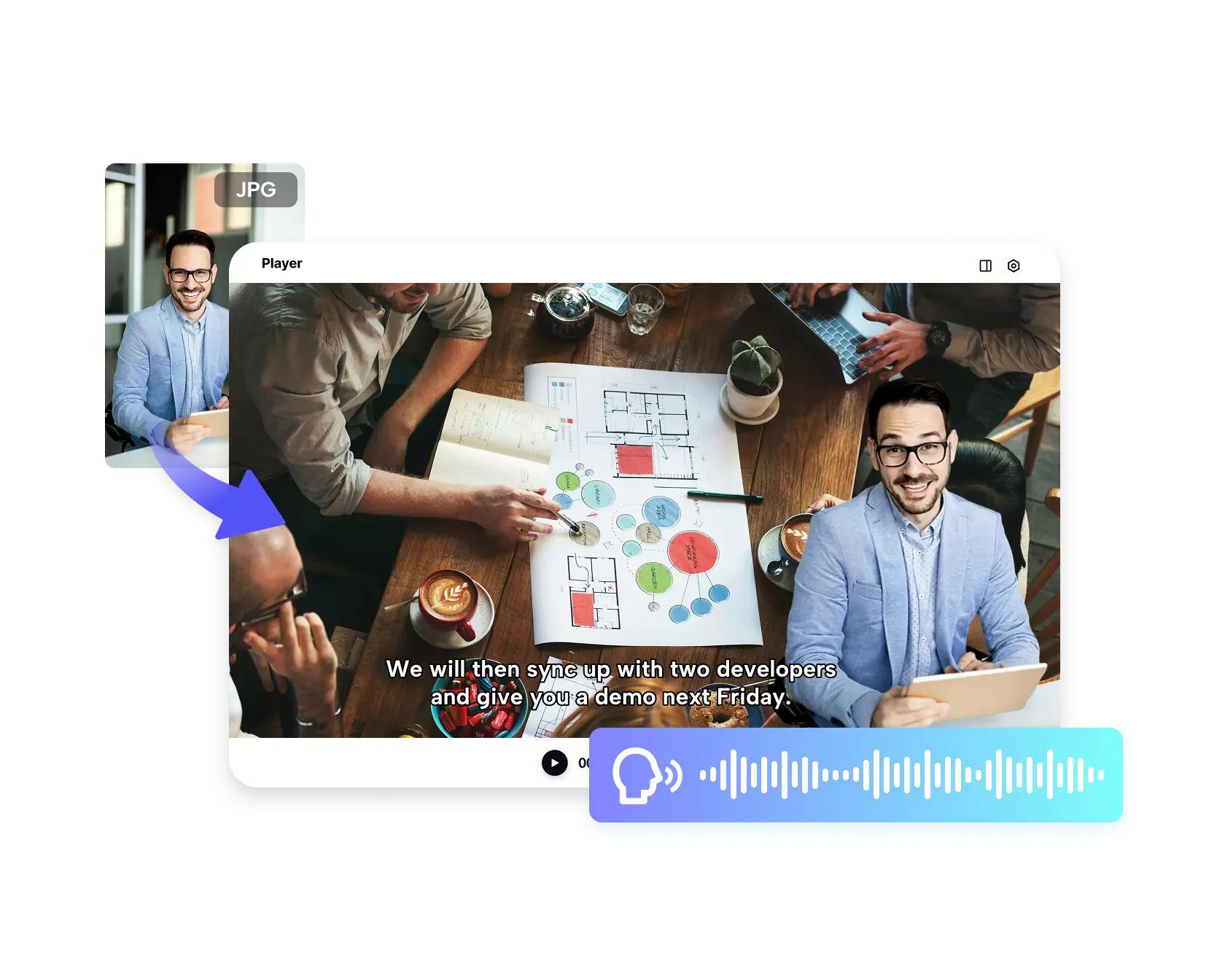
Pippit allows for video variations that are visually different and presenter-led. Compare avatars by appearance, scene, outfit, or presentation style, with other aspects the same. Script Editing allows you to try out various hooks on the same message. Alternatively, when they stand for the experiment, you can try out caption styling, pacing, expressions, or presentation elements. Maintain consistency of background, music, overlays, and duration during focused tests. Pippit allows for voiceovers and multilingual content for experiments for particular audiences. A talking photo can add narration to still images, whereas avatar videos give much more control over appearance and delivery.
Steps to Optimize Video Performance Using AI Avatar A/B Testing Tools Features
Step 1: Select Avatars for Different Test Versions
- Sign up for Pippit using “Google”, “TikTok”, or “Facebook”account info.
- Open “More”on the left menu and access “Video generator”.
- Under “Popular tools”, select “Avatar video”to explore AI avatars.
- Match voice narration with different avatars to create engaging video variations for testing.
Step 2: Create and Adjust Test Scripts
- Review characters in “Recommended avatars”under “Choose avatar”.
- Filter by gender, age, industry, name, scene, pose, outfit style, or figure.
- Select an avatar and click “Edit script”to customize each version.
- Add text in multiple languages and maintain accurate lip sync across variations.
- Scroll to “Change caption style”and choose designs that match each video’s theme.
Step 3: Refine, Export, and Compare Variations
- After applying lip sync, click “Edit more”to refine each video.
- Adjust script timing, voice pacing, and facial expressions for each variation.
- Add text overlays and background music to create distinct test versions.
- Click the “Export”tab in the top right when satisfied.
- Select “Publish”for TikTok, Instagram, or Facebook, or “Download” each version with your preferred format, frame rate, resolution, quality, and name.
A/B Testing Variables Worth Exploring
- Avatar Selection: Make comparisons between the presenter styles, and ensure that there is consistency in messaging and visuals. Various looks can have an effect on relevance, trust, and attention of the audience.
- Opening Hook: Test an introduction to state the topic in a quick manner. More robust starts can lead to better early retention.
- Voice Choice: Try out voices with the same written text. See how clear, toned, and professional it appears.
- Caption Style: Test caption treatments that are easy to read, but don’t alter the spoken content. Assess visibility, timing, and accessibility.
- Video Framing: Test full-body, half-body, or closer if available. Framing can affect the presenter and the product.
- Facial Delivery: Make expression changes while maintaining basic narration. See if it helps delivery to become clearer and more emotional.
Measure Results Without Confusing the Variables
Before starting the comparison, specify the main measure. Clear metric – no attractive secondary results that distort conclusions. For instance, if you are looking to get visitors to your site, focus on click-through rate. Focus on completion rate when presenting information for learning. Where possible, use the same audience conditions and distribution environment. Maintain similar publishing times, targeting, placements, and budgets. When attribution is important, don’t make several major changes at once. Systematically track impressions, views, watch time, clicks, and conversions. Keep in mind sample size and test time before making a decision on who won. Any small improvements may be due to normal audience fluctuation and not necessarily actual improvement. This is where external analytics come in handy; creation platforms don’t provide campaign performance data. See the actual videos as well as quantitative results. A version can be attention-grabbing but not as effective in conveying information. So, use numbers and qualitative evaluation.
Turn Testing Insights into Better Avatar Content
Apply effective patterns to inform future scripts and presentation decisions. This could make for better videos later on on the same subject. But don’t assume that one result applies to all. The expectations of your audience can vary depending on the industry, platform, and content goals. Recheck key content elements regularly since content performance can vary over time. New players, trends, and viewer preferences can change viewer behavior. Develop a database of variables and results of tests. This record allows the identification of patterns without exaggerating results of individual studies. Compare similar experiments BEFORE making broader creative decisions. Look at negative outcomes as well for valuable information. A less capable presenter may handle the educational content well but not the ads. Similarly, a caption style could benefit accessibility but not clicks.
Conclusion
The variation of avatar-video is controlled and aids more informed content decisions. Pippit facilitates the efficient creation of alternative versions that the presenter presents. Comparisons are strengthened by clear objectives, isolated variables, consistent conditions, and meaningful measurement. Creative teams are also able to make adjustments in line with the expectations of the audience through regular testing. Evidence is better than assumption: the best results are produced by evidence.