Why Restaurants Are Downsizing Table Sizes Without Telling Customers
At first, it feels like a coincidence. You sit down at your favorite spot, order as usual, and somewhere between the water glasses and the appetizer plates, something feels… tighter. Your elbows hover a little closer to your neighbor. The menus overlap. The restaurant tables seem just a bit smaller than you remember them.
You’re not imagining it.
Across cities, cuisines, and price points, restaurants are quietly shrinking tables. To be precise, their sizes. And, there are no announcements. No signage. No explanation from the host. Just a subtle shift that most diners notice emotionally before they ever notice it visually.
Smaller Tables, Bigger Math
From the restaurant side, the logic is brutally simple. Smaller tables mean more flexibility. A dining room that once fit twelve four-tops can now squeeze in fourteen. That extra seating might not look dramatic on the floor plan, but over the course of a week, it adds up to dozens of additional covers.
Rent has climbed. Labor costs are higher. Food prices fluctuate unpredictably. Shrinking tables is one of the least confrontational ways to protect margins without touching menu prices, at least not visibly.
Unlike raising entrée costs or adding service fees, a slightly smaller table doesn’t trigger immediate backlash. Most guests do not complain about square inches. They complain about prices.
Why Most Diners Don’t Call It Out
What makes this trend especially effective is how hard it is to articulate. When a chair is uncomfortable, you feel it in your back. When a table is smaller, the discomfort is social and spatial, not physical.
Your plate still fits. Your drink still fits. Nothing is technically wrong.
Instead, the sensation shows up as mild crowding, faster eating, or the feeling that lingering would be awkward. Diners often blame the restaurant being “busy” or themselves for ordering too much food, rather than questioning the furniture itself.
That misdirection is part of why the shift has gone largely unnoticed.
Faster Meals Without Saying “Please Leave”
Here’s where it gets interesting. Smaller tables subtly change behavior.
When space is limited, people tend to eat more efficiently. Sharing plates becomes slightly annoying. Ordering multiple courses feels more cumbersome. Long conversations slow down because there is nowhere to place another round of drinks comfortably.
Restaurants never have to rush you. The environment does the work.
This is especially noticeable in casual dining and fast-casual concepts, where turnover is everything. A table that discourages camping by design is far more effective than a server hovering with the check.
The Visual Illusion at Play
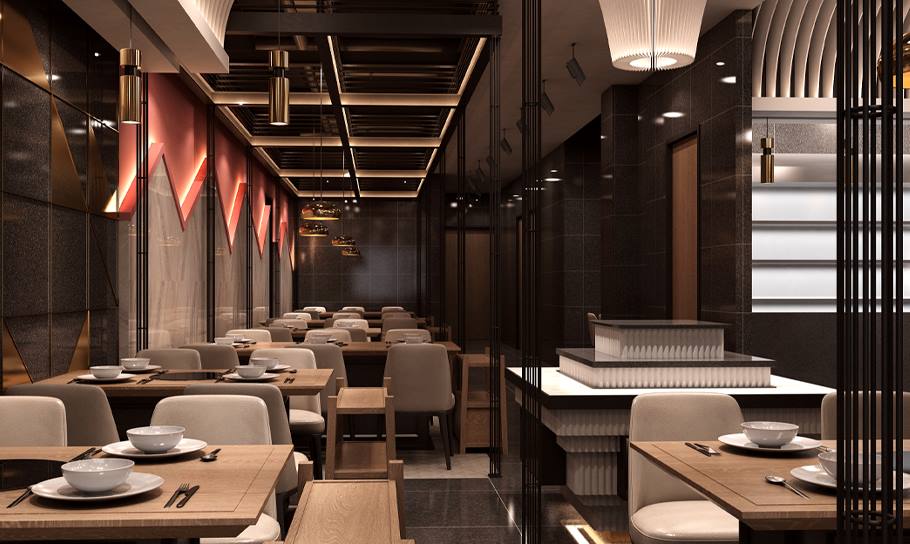
Designers are very aware of perception. Table downsizing often comes paired with lighter materials, thinner edges, and darker finishes. A slimmer profile makes the table feel intentional rather than stingy.
In many cases, restaurants also adjust lighting and spacing so the room still looks balanced. When done well, the dining room feels modern and efficient, not cramped. When done poorly, it feels like a game of human Tetris.
The best executions rely on proportion rather than absolute size. Your brain notices harmony before it notices measurements.
What This Means for Restaurant Furniture
This shift has pushed restaurant furniture design in a very specific direction. Tables are getting narrower, bases are getting more compact, and edge profiles are getting thinner. The goal is to preserve usable surface area while reducing visual and physical bulk.
Interestingly, this is also why chairs and stools have become more important than ever. When tables shrink, seating comfort has to work harder to compensate. A well-designed wooden restaurant chair can make a tighter table feel intentional instead of restrictive.
In many modern dining rooms, the table is no longer the star. The chair carries the comfort narrative.
Is This a Temporary Trend?
Probably not.
As long as urban rents stay high and labor remains expensive, restaurants will keep optimizing space in quiet ways. Downsizing tables is a low-risk, high-reward adjustment that most guests adapt to without protest.
That said, there is a ceiling. Push it too far, and the dining experience starts to feel transactional rather than welcoming. The restaurants that succeed long-term are the ones that shrink carefully, balancing efficiency with dignity.
When diners feel respected, they forgive a lot. When they feel cramped, they remember.
The Takeaway Most Diners Never Hear
Restaurants are not trying to trick you. They are trying to survive.
But the next time you sit down and feel that familiar squeeze, take a look around. Notice how close the tables are. Notice how much surface area you actually have. Notice how quickly the room turns over.
It’s not an accident. Its design is doing quiet work in the background.
And once you see it, you’ll never unsee it.