What Is the Best Placement for Security Cameras in Your Home?
Placing security cameras strategically throughout your house is critical for optimal security. Proper placement enables you to successfully monitor crucial locations, dissuade prospective intruders, and record important footage. Whether you’re protecting your house from break-ins, watching the driveway, or keeping an eye on your pets, the perfect camera placement makes all the difference. However, it is not enough to just put cameras in prominent locations; understanding your home’s specific architecture and demands is critical for full security coverage. In this tutorial, we’ll look at essential things to consider and recommend the best places to install security cameras inside and outside your house.
Key Factors to Consider Before Placing Security Cameras
Privacy Concerns
Privacy is a crucial factor to take into account while installing security cameras in your house. Whether in public or private portions of a person’s house, cameras should never violate their privacy. For instance, to respect people’s privacy, don’t put cameras in front of toilets or bedrooms. Make sure that only public spaces, such as living rooms, corridors, and entryways, are monitored by cameras. Additionally, pay attention to local rules about spying. Knowing the local laws is crucial to avoiding any legal problems because it may be against the law to capture video in some areas without permission. The secret to installing security cameras successfully is to prioritize privacy while maintaining safety.
Home Layout and Structure
The best location for security cameras depends on the design and construction of your house. You need to evaluate how people move through the house and determine which entrance points—like doors, windows, and garages—are most susceptible to burglars. Different positioning tactics will be needed for different house plans. For instance, to keep an eye on varying degrees of activity, you could need cameras on each floor of a multi-story house. Additionally, take into account places where people are likely to pass, such as entryways, hallways, and stairwells. You may make sure that every possible vulnerability is addressed without needless clutter or obstacles by analyzing the layout and concentrating on the important places that need the greatest supervision.
Lighting and Weather Conditions
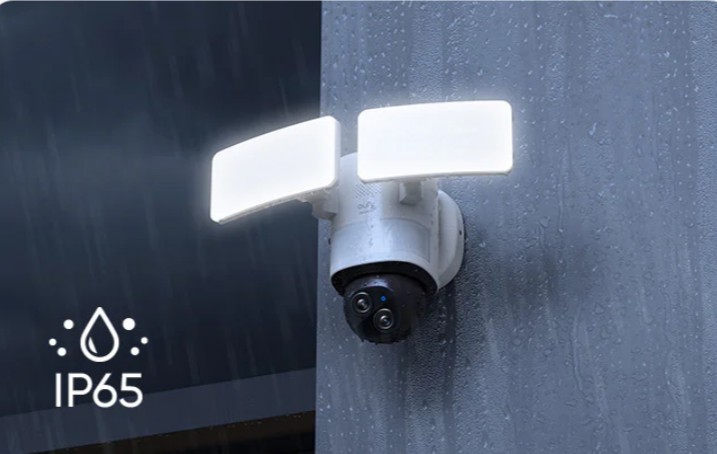
Lighting and weather conditions have a huge impact on the efficacy of your security cameras. Cameras rely largely on proper illumination to create excellent photos, particularly at night. To guarantee that cameras can record quality footage after dark, they should be placed in well-lit areas or have extra outside lighting installed around the access points. Furthermore, outdoor cameras must be waterproof to endure factors such as rain, snow, and high heat. When choosing camera locations outside, keep in mind that environmental conditions such as sun glare or wind-blown debris may have an impact on the camera’s visibility. Proper illumination and weather resistance will extend the usefulness and lifespan of your cameras.
What Are the Best Locations for Security Cameras in Your Home?
Outdoor Camera Placement
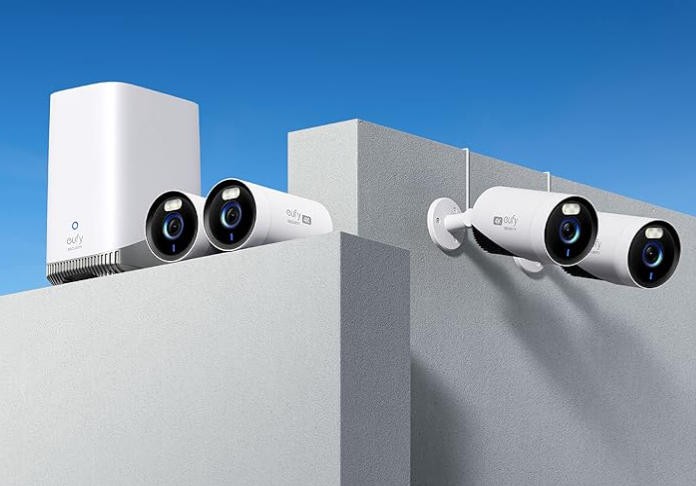
Outdoor security cameras should be positioned to monitor important access points such as the front entrance, rear door, and ground-level windows. It is critical to cover locations that are most prone to break-ins, such as dark corners or concealed spaces that attackers may exploit. Installing cameras above entrances or on high poles prevents tampering while providing a wide field of vision. Make sure your cameras are waterproof and have infrared night vision to capture quality footage at any time of day. In addition, inspect areas such as the driveway, backyard, and sidewalk for any places where an intruder may try to enter without being seen. A proper balance of visibility and coverage is essential.
Indoor Camera Placement
Indoor cameras are ideally positioned to monitor high-traffic areas and critical entrance points, such as the front hallway, living room, and communal spaces like kitchens. Consider spots where an intruder may enter through a less obvious window or entrance. You should also put cameras in stairwells or corridors, which are frequently used as passageways to bedrooms or other private spaces. Place cameras in locations where valuables are kept, such as near safes or cabinets, to monitor any unusual behavior. Avoid installing cameras in intimate or private spaces, such as bedrooms, as this may breach privacy regulations or create discomfort for family members.
Cameras for Special Areas
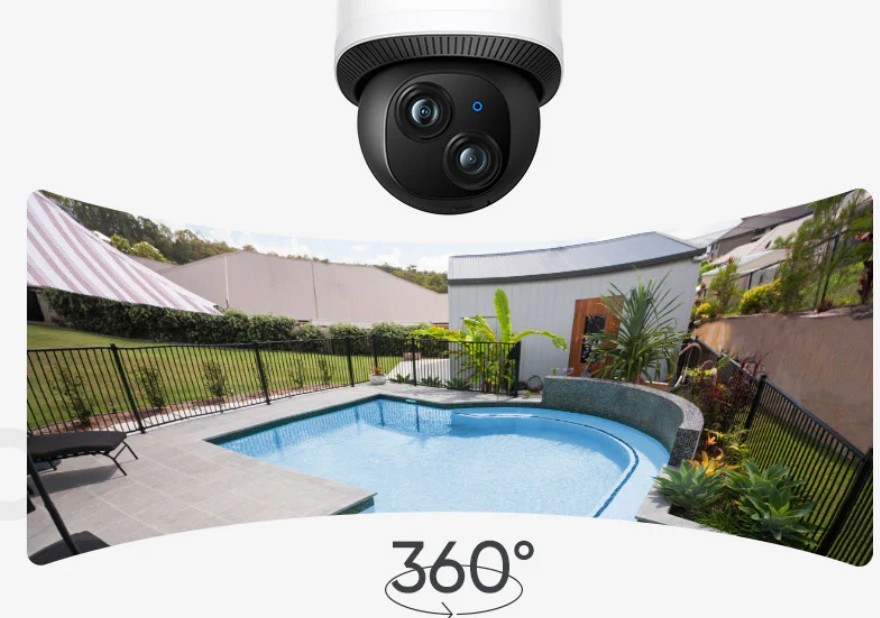
Some aspects of your home may require specialist security protection. For example, basements and attics, which are frequently overlooked in standard security systems, are attractive targets for criminals seeking concealed valuables or access points. Installing cameras in these regions allows for thorough surveillance, with no blind spots. If you have a garage, it is critical to install cameras both inside and outside to watch the vehicles as well as potential entry points to the house. Home offices, which house sensitive data or equipment, should also get special care. Finally, if you have a pool or a garden, cameras can assist you in watching these areas, especially if you have children or expensive outdoor equipment.
Conclusion
Proper placement of security camera in your home is crucial for enhancing safety and protecting your property. You may place cameras where they work best without encroaching on personal space by taking into account elements like privacy, lighting, weather, and house layout. While inside cameras should cover important assets and high-traffic locations, outside cameras should concentrate on weak points of access. Targeted monitoring is also necessary in certain places, like workplaces, garages, and basements. In the end, a carefully considered security camera system may provide comfort by guaranteeing that your house is safe and protected from possible dangers.