
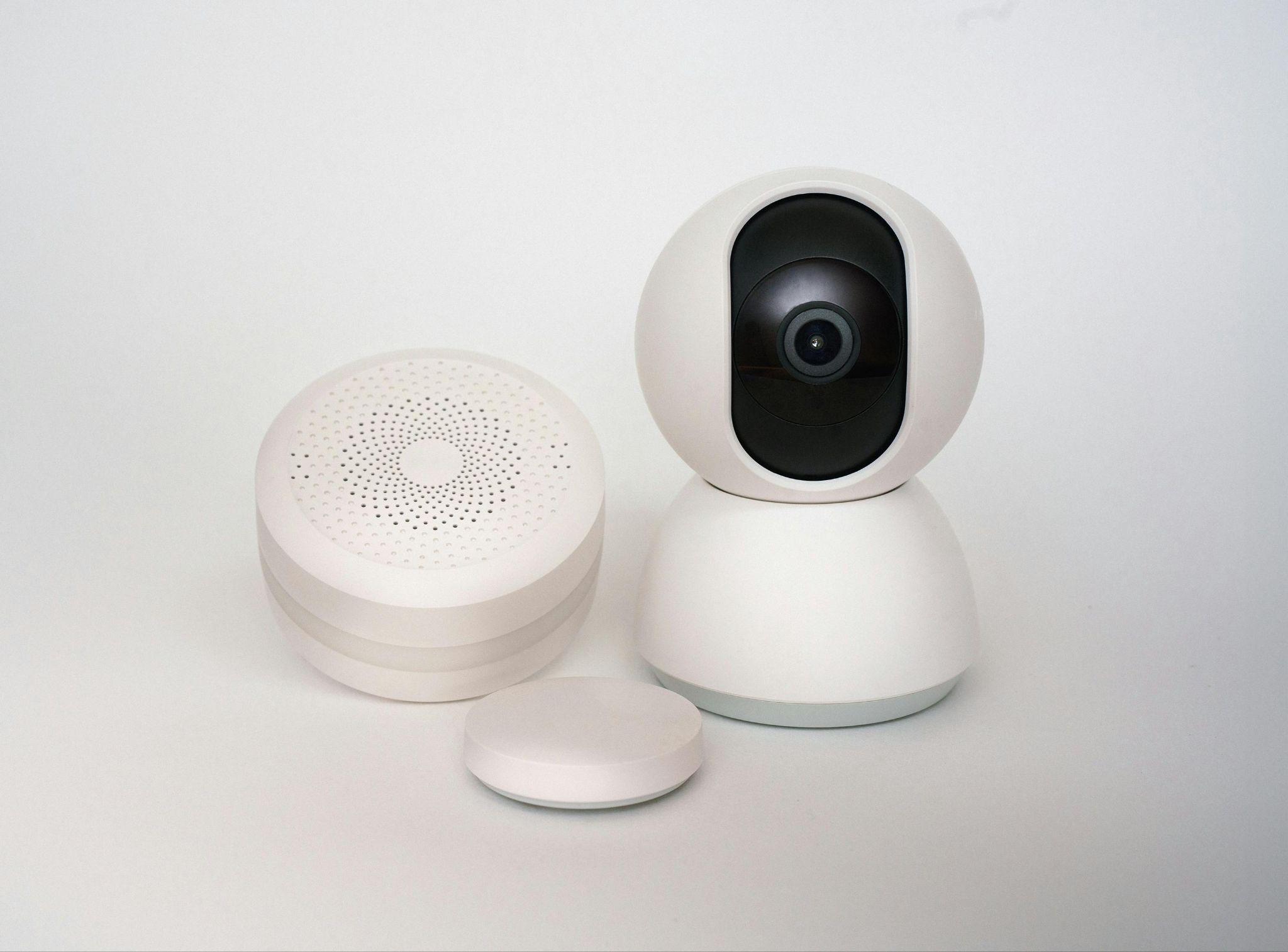
The New Standard: Vape Detectors and School Safety
Schools deal with challenges that didn’t exist a decade ago. One of the biggest is vaping. It’s discreet, fast, and easy for students to hide. Bathrooms and locker rooms have become hotspots, and staff often struggle to monitor them effectively. Visual checks don’t work. Cameras can’t go inside restrooms. Teachers can’t supervise every hallway.
That’s why vape detection technology is becoming a game changer. Modern sensors pick up vapor particles, alert staff instantly, and remove the guesswork from monitoring. They’re discreet, reliable, and designed to address a problem that traditional safety tools simply can’t handle.
Here’s a look at how vape detectors for schools are reshaping safety strategies and helping administrators regain control of indoor environments.
Why Vaping Became So Hard for Schools to Manage
Vaping devices are small. Some look like USB sticks. Others resemble pens or key fobs. They produce minimal visible vapor and very faint odor. Students can hide a hit inside a sleeve or backpack.
Traditional supervision methods aren’t effective. Staff can’t monitor bathrooms constantly. Random walkthroughs don’t catch real-time use. The result is repeated incidents, health concerns, and frustrated administrators.
In 2023, the CDC reported that over 2.1 million U.S. middle and high school students currently use e-cigarettes, showing how widespread the issue has become. Schools need tools designed for modern behavior, not outdated approaches.
How Vape Detectors Actually Work
Vape detectors measure air quality using specialized sensors. They don’t rely on cameras or microphones. Instead, they focus on environmental changes.
Most detectors use:
- Particle sensors for vapor and aerosol
- Chemical sensors for nicotine or THC signatures
- Humidity pattern analysis for abnormal spikes
- Temperature monitoring for detection of heated devices
When the detector identifies a vaping event, it sends an immediate alert to staff. Alerts can go to phones, laptops, or integrated security dashboards.
This allows quick intervention. No speculation. No waiting for someone to report it.
Why These Devices Are So Effective in Schools
Schools benefit from vape detection for several reasons:
They provide coverage where cameras can’t go.
Restrooms and locker rooms are privacy-protected areas. Vape detectors operate without capturing images or audio, so they’re compliant with privacy rules.
They catch incidents in real time.
Instead of discovering evidence after the fact, staff know the moment vaping occurs. This lowers repeat offenses because interventions are immediate.
They create consistency.
No more relying on student reports or staff availability. Technology handles monitoring 24/7, with no breaks.
They deter use.
Once installed, schools often see vaping incidents drop because students know the system works.
They allow data tracking.
Some detectors log incident frequency, time of day, and location patterns. Administrators can use this to strengthen prevention programs.
Easy Integration With School Security Systems
Modern vape detectors connect directly to existing networks. They can integrate with:
- PA systems
- Security dashboards
- Email notifications
- SMS alerts
- Building automation systems
Installation is straightforward. They mount on ceilings or walls like smoke detectors. Minimal maintenance is needed—usually occasional cleaning and system checks.
For schools with limited IT support, the automation is a huge benefit. Once configured, detectors run continuously with little intervention required.
Supporting Health, Not Just Discipline
While detectors help enforce rules, they also support student wellness. Vaping can harm lung development, trigger asthma, and expose students to addictive substances. Early detection leads to early intervention.
Detectors shift schools from punishment-only responses to informed support. Staff can connect students with counseling, health resources, and nicotine cessation programs before habits deepen.
This balanced approach aligns with modern school safety models—protect students while guiding them toward better choices.
Cost-Effective Compared to Other Safety Measures
School safety budgets are tight. Cameras, access control, and monitoring systems are expensive. Vape detectors offer high impact at a lower cost.
You don’t need to install them everywhere. Strategic placement like in bathrooms, locker rooms, secluded hallways covers the most sensitive areas.
The result is efficient monitoring without a major infrastructure overhaul.
Final Thoughts
Vaping changes fast. Devices become smaller. Aerosols become harder to detect. Students share information to avoid supervision. But vape detectors shift the advantage back to schools.
Tools like vape detectors for schools add a layer of protection where other systems fall short. They provide real-time alerts, support student health, integrate easily with existing security setups, and reduce repeat incidents.
For administrators looking to modernize their safety strategy, these sensors are no longer optional—they’re becoming the new standard.