
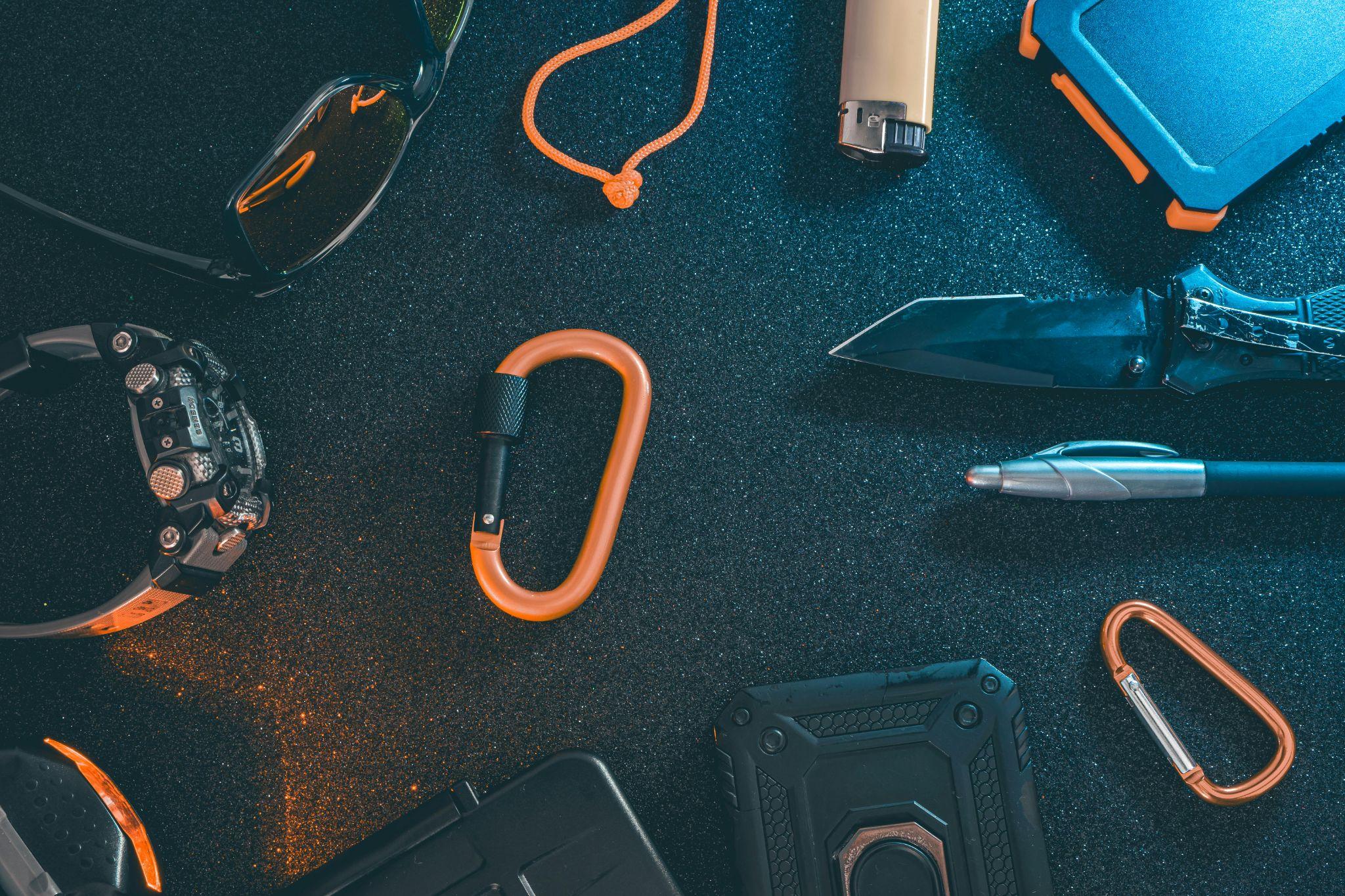
Smart Gear for People Who Hate Being Caught Off Guard
Some people can roll with anything. Others want to be prepared for every surprise—dead batteries, dark parking lots, spilled drinks, forgotten chargers, unexpected delays. If you fall into the second group, you know how frustrating it is when you don’t have what you need at the exact moment you need it.
The good news? A few compact, well-designed gadgets can eliminate most daily inconveniences. Modern on-the-go gear is smaller, faster, more durable, and built for people who never want to feel unprepared again.
This guide breaks down the most effective tools to carry—items that solve real problems without weighing you down.
Light You Can Rely On Wherever You Are
A dependable light source is one of the most underrated everyday tools. Power outages, dark stairwells, late-night parking lots, and dropped items under the car seat all have a way of showing up when you’re least expecting them.
A rechargeable keychain flashlight is ideal because it’s compact, powerful, and always accessible. Modern versions use high-efficiency LEDs, multi-mode brightness levels, and USB-C charging. That means more light output in a smaller body, with runtimes long enough for emergencies.
Unlike phone flashlights, keychain lights work even when your battery is dead. They also produce stronger, more focused beams. Many models now include momentary switches, waterproof casings, and lockout features to prevent accidental activation in your pocket.
Once you carry one daily, you wonder how you ever managed without it.
Portable Chargers That Actually Last
Everyone has experienced the dead-phone panic. It always hits at the worst possible moment—when you’re waiting for a rideshare, navigating with GPS, or handling work messages.
A good power bank prevents all of that. Look for capacity in the 5,000mAh to 10,000mAh range for everyday use. This is enough to fully charge most smartphones at least once.
Newer models include fast-charging protocols like PD (Power Delivery) and QC (Quick Charge). These boost your battery quickly so you’re not tethered to a cable for an hour. Some power banks are slim enough to fit behind your phone while in use. Others include built-in cables so you never forget the cord.
Battery reliability isn’t optional anymore. According to Pew Research, 97% of U.S. adults now own a cellphone, and mobile dependency keeps rising—meaning a dead battery can interrupt more of your day than you realize.
Prepared people don’t gamble with power.
Compact Multitools for Everyday Problems
A good multitool solves dozens of small annoyances. Loose screws, packaging, tags, bottle caps, zipper issues—things that don’t require a full toolbox but still need attention.
Look for tools with:
- A sharp mini blade
- Small pliers
- Screwdrivers
- Scissors
- A file
- A pry tool or bottle opener
Modern ultra-compact multitools can fit on a keychain or in a front pocket without bulk. Titanium frames or stainless steel increases durability but keeps weight low.
You won’t use every function daily, but the moment something breaks, you’ll be glad you have it.
A Reliable Pen That Writes Everywhere
It seems small, but a pen that always works is a quiet survival tool. Signing paperwork, jotting down notes, writing directions, labeling bags—you never know when you’ll need one.
Pressurized-ink pens write upside down, on damp paper, and in cold conditions. Metal-body pens last longer and hold up in pockets or bags. Some compact pens collapse into smaller forms so they take up less space.
Digital tools are great. But nothing replaces a pen when speed matters.
A Small, Strong Power Cable
Carrying your own charging cable prevents half the frustrations you experience on the road. Public chargers are unreliable. Borrowed cables may be the wrong type. Cheap cords break easily and stop charging without warning.
Invest in a braided USB-C, Lightning, or dual-head cable with reinforced strain relief. Short versions, around 6 inches, avoid tangles and fit easily in your pocket.
Pair it with your power bank and you’re covered for nearly every device.
A Minimal First-Aid Kit That Fits in Your Bag
Prepared people know minor injuries happen at inconvenient times. A micro first-aid kit covers cuts, scrapes, headaches, blisters, and allergic reactions.
A compact kit should include:
- Bandages
- Antiseptic wipes
- Allergy tablets
- Blister pads
- Small tweezers
- Pain relievers
These items take almost no space but can save your day.
Noise-Blocking Earbuds for Mental Reset
Cities, public transport, airports, and crowded offices create constant noise. High noise levels increase stress, reduce focus, and drain energy. Noise-blocking earbuds give you control over your environment.
They help during commutes, crowded spaces, or when you need a moment to recalibrate. With active noise cancellation, even short breaks feel restorative.
Final Thoughts
Being prepared doesn’t mean carrying your whole house around. It means choosing compact, smart tools that cover the gaps in everyday life. A rechargeable keychain flashlight, a reliable portable charger, a sturdy multitool, a good pen, a durable cable, and a tiny first-aid kit can change how smoothly your days run.
These gadgets prevent small setbacks from becoming big ones. They make travel easier. They make errands faster. They give you peace of mind because you’re no longer vulnerable to the little things that throw everyone else off.