Immersive Architecture: A Critical Look at the Visual Themes Dominating KUY4D
How do visual spaces shape the way people read a digital experience? That question sits at the center of immersive architecture, where layout, motion, contrast, and pacing all work together to shape attention. In that setting, the visual themes tied to KUY4D offer a useful case study because they show how structure can feel both direct and atmospheric at the same time.
Rather than treating visuals as decoration, immersive architecture treats them as part of the message. Every panel, glow, shadow, and spatial cue affects how a person moves through the interface and how quickly they understand what matters. A site such as KUY4D can be read through that lens, not as a product pitch, but as an example of how strong visual direction can guide attention with very little friction.
The interesting part is that these themes are not random. They usually follow a clear logic built around contrast, hierarchy, and repetition. When those elements are handled well, the result feels immersive without becoming confusing, and that balance is exactly what makes the topic worth a closer look.
The Core Idea Behind Immersive Architecture
Before looking at specific visual choices, it helps to understand what immersive architecture actually means in a digital setting.
Space Feels Structured, Not Flat
In a flat layout, elements sit on a page and compete for attention. In an immersive layout, the page feels more like a space with depth, rhythm, and direction. That effect often comes from layered backgrounds, controlled spacing, and visual anchors that keep the eye moving in a planned way. The user does not just read the interface. They move through it.
This is where visual themes matter so much. A theme can make a page feel calm, tense, futuristic, or cinematic without changing the written content at all. That means the visual system is doing real work. It sets mood, but it also reduces confusion by signaling where to look first and what to ignore for the moment.
Motion And Stillness Work Together
Even when a page does not use heavy animation, it can still feel active through visual rhythm. Repeated shapes, strong lines, and shifting contrast create a sense of motion in the eye. At the same time, stable blocks of text and fixed focal points keep the design from feeling chaotic. The best immersive layouts balance those two forces carefully.
That balance matters because people process visual information quickly. If everything moves or glows at once, the message gets lost. If everything is static and evenly weighted, the page can feel dull. Immersive architecture works because it sits between those extremes, using movement as a guide and stillness as a rest point.
Visual Themes That Shape The Experience
The strongest visual themes usually appear through a few repeatable design choices, and KUY4D uses them in ways that are easy to analyze.
Contrast As A Navigation Tool
Contrast is one of the clearest tools in immersive design. Dark backgrounds can make bright text and key elements stand out sharply, while softer areas give the eye a place to recover. This kind of contrast does more than look striking. It builds hierarchy. A reader can tell almost instantly what is primary, what is secondary, and what can wait.
In a visual system built around strong contrast, the page feels intentional. Nothing is floating without purpose. Each section seems placed to support the next one. That is why strong contrast often feels immersive rather than harsh when it is managed with restraint.
Depth Through Layering
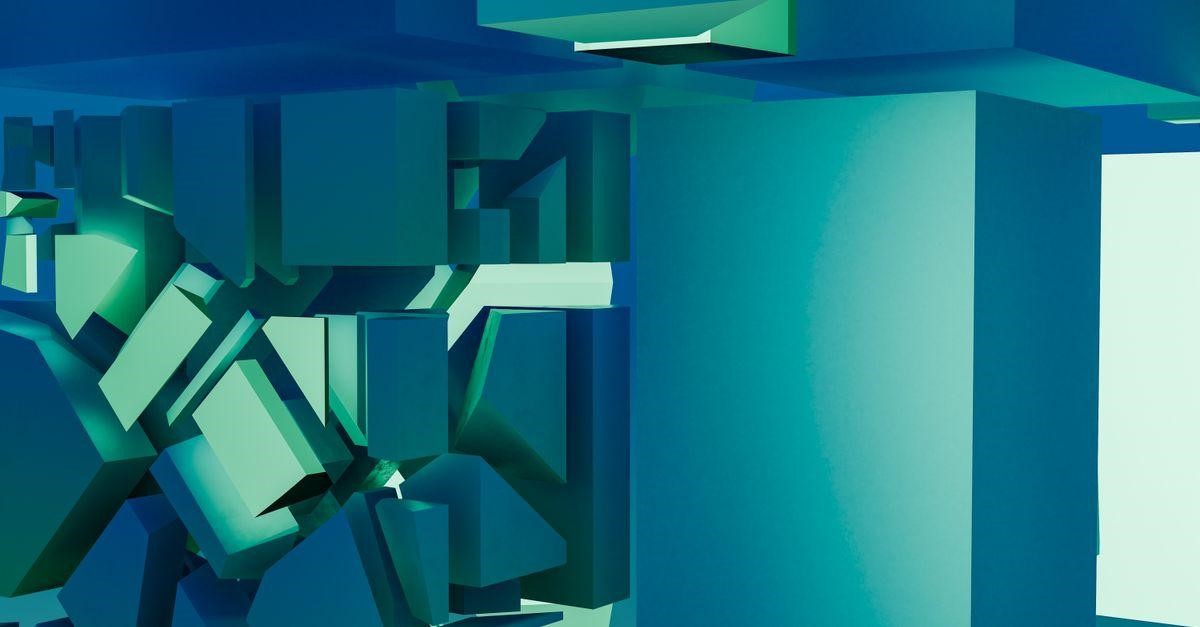
Layering is another major theme. Background textures, overlapping shapes, and subtle gradients can create the impression of depth without adding clutter. The eye reads those layers as spatial cues, almost like looking into a room instead of at a poster. This makes the interface feel richer and more dimensional.
That layered effect is especially useful when content needs to feel active but still readable. The design can suggest movement and complexity while keeping the text area clear. In practical terms, that means the visuals support the content instead of fighting it.
When a layout uses this kind of depth well, it often feels less like a page and more like a composed environment. That is the sort of effect people usually associate with KUY4D LINK, where the visual structure carries much of the user’s sense of orientation.
Rhythm Through Repetition
Repetition is easy to overlook, but it is one of the strongest tools in visual architecture. Repeated spacing, repeated shapes, and repeated color accents create rhythm. Rhythm helps the eye predict what comes next, and prediction lowers effort. That is a big reason immersive layouts feel smooth even when they contain a lot of information.
Repetition also creates identity. When a page keeps returning to the same visual language, it feels unified. That unity matters because users tend to trust spaces that feel organized. They may not describe the design in technical terms, but they do notice when the page feels coherent.
How The Visual Language Guides Attention
Immersive architecture is not only about style. It is also about directing focus in a very deliberate way.
Hierarchy Comes First
A good visual hierarchy tells the reader where to begin, where to pause, and where to move next. Headings, spacing, color contrast, and element size all contribute to that flow. In a strong layout, the eye does not wander aimlessly. It follows a path that feels natural.
This is important because attention is limited. If the interface asks the user to process too many signals at once, the experience becomes tiring. When hierarchy is clear, the page feels calmer and easier to read, even if the design itself is visually rich.
Spacing Creates Breathing Room
Space is not empty in a meaningful layout. It is an active part of the composition. Generous spacing gives each section room to stand on its own, and that makes the design easier to scan. It also adds a sense of confidence, because the page does not need to crowd every inch with content.
Good spacing can make a visual theme feel more premium, but more importantly, it makes the architecture usable. People need pauses between ideas. Those pauses are what let the visuals feel immersive instead of overwhelming.
Typography Carries Tone
Type is one of the most direct carriers of tone. Sharp, compact letters can feel technical or urgent. Wider spacing and cleaner letterforms can feel calmer and more open. In immersive architecture, typography is not just there to be read. It helps set the emotional temperature of the entire page.
When typography matches the rest of the visual system, the result feels disciplined. The page speaks with one voice. That consistency is a big part of why some interfaces feel memorable even when their content is straightforward.
Why The Theme Feels Memorable
Some visual systems fade from memory quickly, while others stick because they create a clear sensory pattern.
Consistency Builds Recognition
People remember patterns more easily than isolated details. If a page keeps using the same color language, spacing logic, and visual rhythm, the experience becomes recognizable. That recognition is not about branding alone. It is about mental ease. The brain likes order, and consistent design offers that order without needing explanation.
In the case of immersive architecture, consistency also helps the theme feel believable. If the visuals shift too often, the illusion of space breaks. If they stay aligned, the page keeps its atmosphere from start to finish.
Atmosphere Without Clutter
One of the strongest features of this type of design is restraint. The visuals can feel rich without becoming crowded. That restraint matters because clutter weakens immersion. Too many effects compete for attention and make the page feel noisy. A cleaner approach lets each visual choice carry more weight.
This is where the best examples stand out. They do not rely on excess. They rely on control. Every effect has a job, and every section contributes to the same overall mood.
What This Means For Visual Design
Looking at KUY4D through the lens of immersive architecture gives a useful lesson for anyone interested in digital design.
Form Should Support Reading
A strong visual theme should never get in the way of understanding. It should guide the reader, not distract them. When form and function work together, the page feels both attractive and practical. That is the standard immersive architecture should aim for.
The best visual systems do not ask people to admire them before they can use them. They make the experience easier first, then more memorable through composition and tone. That order matters a lot.
Visual Identity Comes From Discipline
It is tempting to think memorable design comes from adding more effects. In practice, it usually comes from editing. Choosing a limited set of visual rules and applying them consistently creates a stronger identity than piling on extra decoration. Discipline gives the page its shape.
That is why the visual themes associated with KUY4D are worth studying. They show how atmosphere, hierarchy, and repetition can work together without losing clarity. For anyone interested in digital design, that is a useful model to keep in mind.