
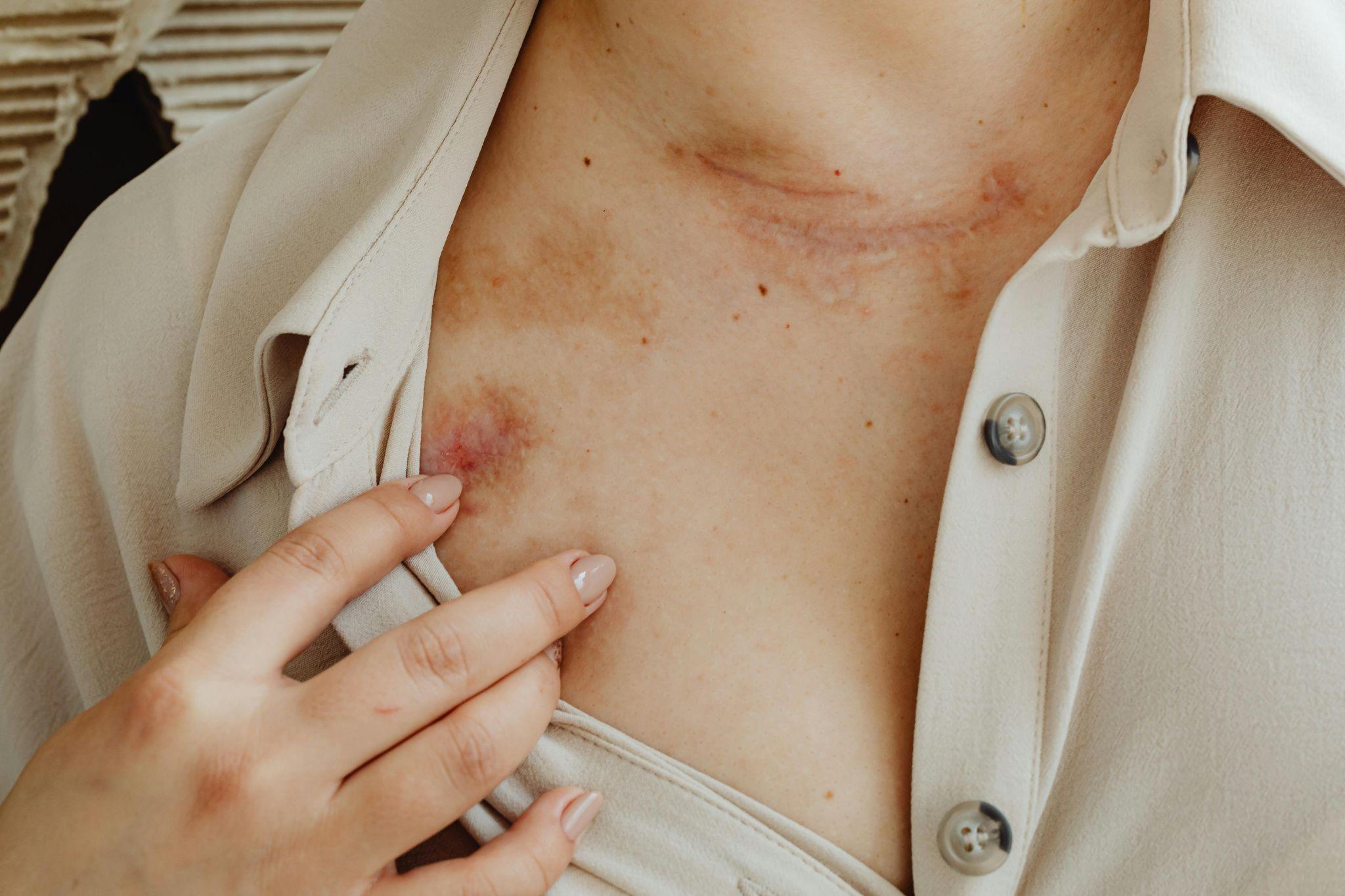
How Skin Issues Like TSW Impact Confidence
Skin conditions can change the way you see yourself. They’re visible, unpredictable, and often misunderstood. Topical Steroid Withdrawal (TSW) is one of the most challenging examples. It can cause redness, peeling, swelling, burning sensations, and intense itch cycles. And while the physical symptoms are difficult, the emotional strain can be equally overwhelming.
Confidence isn’t just about appearance. It’s tied to comfort, identity, and how freely you can move through the world. When your skin hurts or reacts unexpectedly, daily life feels heavier. Social settings feel risky. Even simple routines like sleeping, working, seeing friends can become complicated.
This article breaks down the deeper ways TSW and similar skin issues affect confidence, and why understanding the condition matters for emotional healing.
When Your Skin Feels Unpredictable, Everything Feels Uncertain
TSW often brings cycles of flares. Some days are tolerable. Others feel impossible. That unpredictability creates anxiety. You never know when symptoms will spike or how your skin will look in the morning.
This uncertainty affects confidence because the skin is always visible. It’s one of the first things people notice. And when you feel like you look “different,” you subconsciously adjust your behavior.
- You may avoid eye contact.
- You may stay home instead of going out.
- You may cancel plans at the last minute.
- You may hide your skin with clothing, even in weather that makes symptoms worse.
That constant tension slowly erodes your sense of normalcy.
Social Interactions Become Emotionally Exhausting
People with TSW often report feeling misunderstood. Friends, coworkers, or strangers may not know what TSW is. They may assume it’s an allergy or just dry skin. That misunderstanding can lead to unhelpful comments, unwanted advice, or uncomfortable questions.
Trying to explain your condition repeatedly gets tiring. It can feel intrusive. Some people stop explaining entirely, which leads to isolation.
This emotional cycle—question, explain, defend, retreat—wears down confidence over time. The skin issue becomes a psychological burden, not just a physical one.
The Physical Discomfort Affects How You Show Up
Confidence requires presence. It’s hard to feel present when your skin burns, cracks, or flakes throughout the day. Pain changes body language. Discomfort changes posture. Lack of sleep, which is common in TSW, changes mood and focus.
When symptoms spike, many people become quieter, more cautious, or more withdrawn. The changes can feel subtle at first, but over time they shape how you see yourself in work, school, or relationships.
Understanding the condition through personal research, support networks, or resources like learning about TSW helps you identify triggers and regain some sense of control. And control is a key part of confidence.
Body Image Shifts in Unexpected Ways
Skin is part of your identity. It affects how you dress, take photos, show emotion, feel textures, and express yourself. When your skin doesn’t behave the way it used to, your relationship with your appearance changes.
You may become hyper-aware of certain areas. You may think about lighting, angles, or camera filters more than usual. You may feel disconnected from your reflection.
These shifts happen gradually, but they influence how you think you’re being perceived—even when other people don’t notice the details you’re focused on.
The Mental Load Is Larger Than People Realize
Skin conditions have a direct link to mental health. According to the American Academy of Dermatology, one in three people with chronic skin issues experience anxiety or depression.
TSW adds additional emotional layers because it often appears during treatment and may last for months or years. That timeline creates fear about the future. “How long will this last?” “Will it get worse?” “Will I ever look like myself again?” These questions weigh heavily.
Confidence suffers when uncertainty becomes constant.
Small Wins Help Rebuild Self-Esteem
Confidence doesn’t return all at once. It builds through small victories:
- A day with less redness
- A night of better sleep
- A morning where your skin feels calm
- An outing where no one comments
- A photo you feel comfortable sharing
These moments matter. They become proof that your condition does not define you.
Tracking progress through journaling, photos, or consultations helps you see improvement you may overlook during flare cycles.
Real Support Makes a Big Difference
TSW can feel isolating, but support changes experience. People feel more confident when they’re not navigating symptoms alone. Support may come from:
- Dermatologists familiar with TSW
- Online communities
- Skin health specialists
- Friends who honor your boundaries
- Practitioners who focus on barrier repair and inflammation
Education also helps. When you understand your skin, you build resilience against fear and uncertainty. Trusted medical sources, personal research, and firsthand stories bring clarity in a confusing recovery process.
Final Thoughts
Skin issues like TSW affect confidence in deep, layered ways. They influence how you look, how you feel, how you move, and how you interact with the world. But confidence isn’t gone, it’s disrupted. It can be rebuilt with support, treatment guidance, emotional care, and patience.
Understanding the condition, especially by learning about TSW, gives you more control over your narrative. Control builds confidence. Confidence builds momentum. And momentum helps you keep moving forward, even on the difficult days.