
C-Frame Power Press Machine: Why Process Stability Matters
Precision seals, corner joints, oil seals, gaskets, and TPU-overmolded components require accurate dosing and repeatable insert placement. Their molds may also need open access for loading, transfer, and cleaning. A C frame rubber injection molding machine combines three-side accessibility with a controlled injection and clamping sequence.
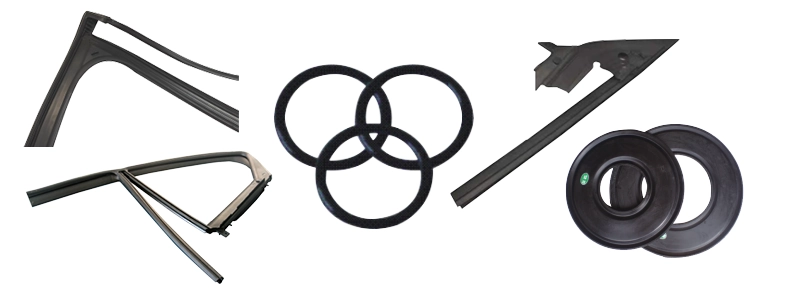
The c-frame power press machine supports stable production only when accessibility is integrated with material preparation, mold protection, temperature control, and safe automation. Open space around the tool is useful, but it must not introduce inconsistent handling or unprotected machine movement.
Material preparation determines shot consistency
The RC platform separates plasticizing and injection so each function can be controlled for its specific role. Separate thermal management supports consistent material condition before the measured shot enters the mold. This arrangement is relevant to rubber and TPE parts with demanding dimensions.
Dekuma uses a liftable nozzle during vulcanization to reduce backflow and material stress. Maintaining the intended volume inside the process helps control flash and incomplete filling. Nozzle position and sealing condition is expected to be included in routine inspection.
Shot repeatability must be reviewed through cushion, injection position, part weight, and cavity results. An average measurement can hide one cavity or product region moving toward a limit. Mapping defects to mold position provides stronger diagnostic evidence.
Compound storage, preparation, and feeding also affect the result. A machine may repeat its movement while viscosity changes between batches. Production records are required to connect material identity and condition to the active recipe and finished-part inspection.
Three-side access changes the cell layout
For this layout, the C-frame power press machine allows approach from three directions. This can simplify profile insertion, robot access, product removal, and mold service. The full motion envelope needs to be checked before guarding and auxiliary devices are finalized.
Open access creates a wider interaction zone that requires coordinated safety controls. Doors, light curtains, interlocks, robot states, and manual modes are expected to prevent clamping or injection while a person or device occupies an unsafe position.
Insert confirmation is important for automated closing. A missing, doubled, or shifted insert can damage the tool or produce unusable parts. Sensors and low-pressure mold protection should verify the closing path before full force is applied.
Manual recovery deserves the same engineering attention as normal production. If a profile catches or a robot stops, personnel need a controlled method to release stored energy, enter safely, remove the obstruction, and resume from a known state.
Options must support a measured requirement
An optional double workstation can separate preparation and molding work, while mold transfer can simplify movement and changeover. Cycle studies should compare loading, curing, removal, and inspection times to confirm whether an additional station removes the actual constraint.
A C frame rubber injection molding machine may also use optional high-precision servo-valve control for stable pressure and flow. The need should be demonstrated through part tolerances and process trials. Advanced control is valuable when it addresses measurable variation.
Modular design allows different combinations of tooling and automation. Each option adds sensors, wear points, software states, and spare-parts needs. Maintainability and recovery time should therefore be considered alongside nominal cycle improvement.
Changeover methods should include mold identification, services, locating features, stored positions, and first-off approval. Faster mechanical transfer does not provide stable production if connections or recipe selection remain vulnerable to error.
Verification sustains process stability
Inspection should cover part weight, critical dimensions, flash, surface condition, bonding, and insert position as applicable. Results should be separated by cavity and production time. This structure helps distinguish machine drift from tooling or material differences.
Dekuma’s C-frame system should be accepted with the same inserts, removal path, and safety sequence intended for production. A C-frame power press machine adds value only when open access remains compatible with stable placement, protected closing, and repeatable handling throughout the complete cycle.
Preventive maintenance must include the injection unit, nozzle, clamping structure, hydraulics, sensors, guards, and transfer devices. Alarm and delay trends can reveal a developing alignment or handling problem before it causes sustained downtime.
Measurement systems require their own verification. Fixtures, gauges, camera settings, and reference samples should distinguish real part variation from inspection error. Cavity-specific sampling is particularly useful for corner joints or seals where local flow and insert position create different risks.
Production capacity should be calculated from accepted parts rather than the shortest observed cycle. Insert preparation, cure, removal, cleaning, inspection, changeover, and minor recovery consume time. A balanced study can show whether a second station, faster transfer, or process correction would address the actual bottleneck.
Software backups should be created after final acceptance and every authorized change. Version control for recipes, safety logic, and auxiliary interfaces helps the factory restore a known configuration after component replacement without relying on undocumented local copies.
Stable C-frame production depends on controlled material, accurate injection, verified inserts, protected closing, and safe access. The open architecture improves integration for appropriate parts, while disciplined validation preserves quality. Together, these conditions make accessibility a production advantage rather than a new source of variation. Documented evidence keeps later modifications equally controlled.