
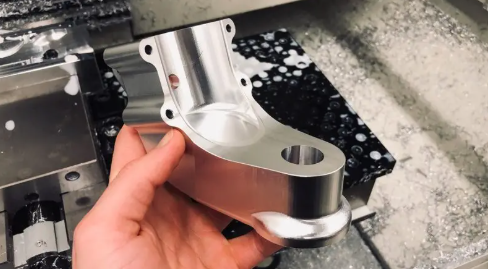
The Essential Role of Rapid Prototyping and Tooling in Product Development
In the fast-paced world of product development, rapid prototyping and tooling emerge as critical elements that enhance innovation and efficiency. Companies are increasingly relying on these techniques to bring ideas from concept to market in a matter of weeks instead of months. This acceleration not only saves time but also reduces costs associated with production. A firm like HordRT, with its focus on quality control and skilled engineering, exemplifies how effective processes can transform development landscapes.
Enhancing Design Flexibility Through Rapid Prototyping
One of the primary advantages of rapid prototyping is its ability to provide flexible design options. Designers can quickly create physical models of products, allowing for immediate feedback and iterative improvements. This iterative process not only enables a quicker identification of design flaws but also encourages creativity. By utilizing techniques like 3D printing and CNC machining, companies can explore various design avenues with minimal investment before settling on the final product. Firms can adapt their designs efficiently, ensuring that they meet consumer expectations.
Efficiency and Cost Reduction in Tooling Processes
Tooling is intrinsically linked to the efficiency of mass production. Traditional tooling methods can be time-consuming and expensive; however, advancements in rapid tooling techniques offer quicker turnaround times at lower costs. The implementation of methods such as aluminum tooling allows manufacturers to produce high-quality molds more quickly than conventional steel options. HordRT utilizes these methodologies to provide reliable tooling services, ensuring that clients can meet tight deadlines without sacrificing quality. These efficiencies become a competitive advantage in saturated markets where time-to-market is crucial.
Quality Control in Rapid Production Environments
Quality control is paramount in ensuring the longevity and reliability of products developed through rapid tooling. Effective quality assurance processes, as practiced by firms like HordRT, involve stringent testing and evaluation throughout the prototyping phase. Employing automated inspection systems and statistical process control helps detect potential issues before full-scale production begins. This proactive approach reduces the risks associated with product recalls and customer dissatisfaction, reinforcing the importance of quality management in high-speed environments.
Conclusion
The integration of rapid prototyping and tooling significantly improves the product development cycle. By emphasizing design flexibility, reducing costs, and committing to quality control, businesses can innovate at an unprecedented pace. Organizations like HordRT exemplify how leveraging these capabilities can lead to successful product launches, setting the foundation for future advancements in various industries. As technology evolves, staying informed about these processes will be crucial for any company looking to thrive in the competitive marketplace.