How Your Interactions and Streaks Affect Your Rank in Snapchat Planets
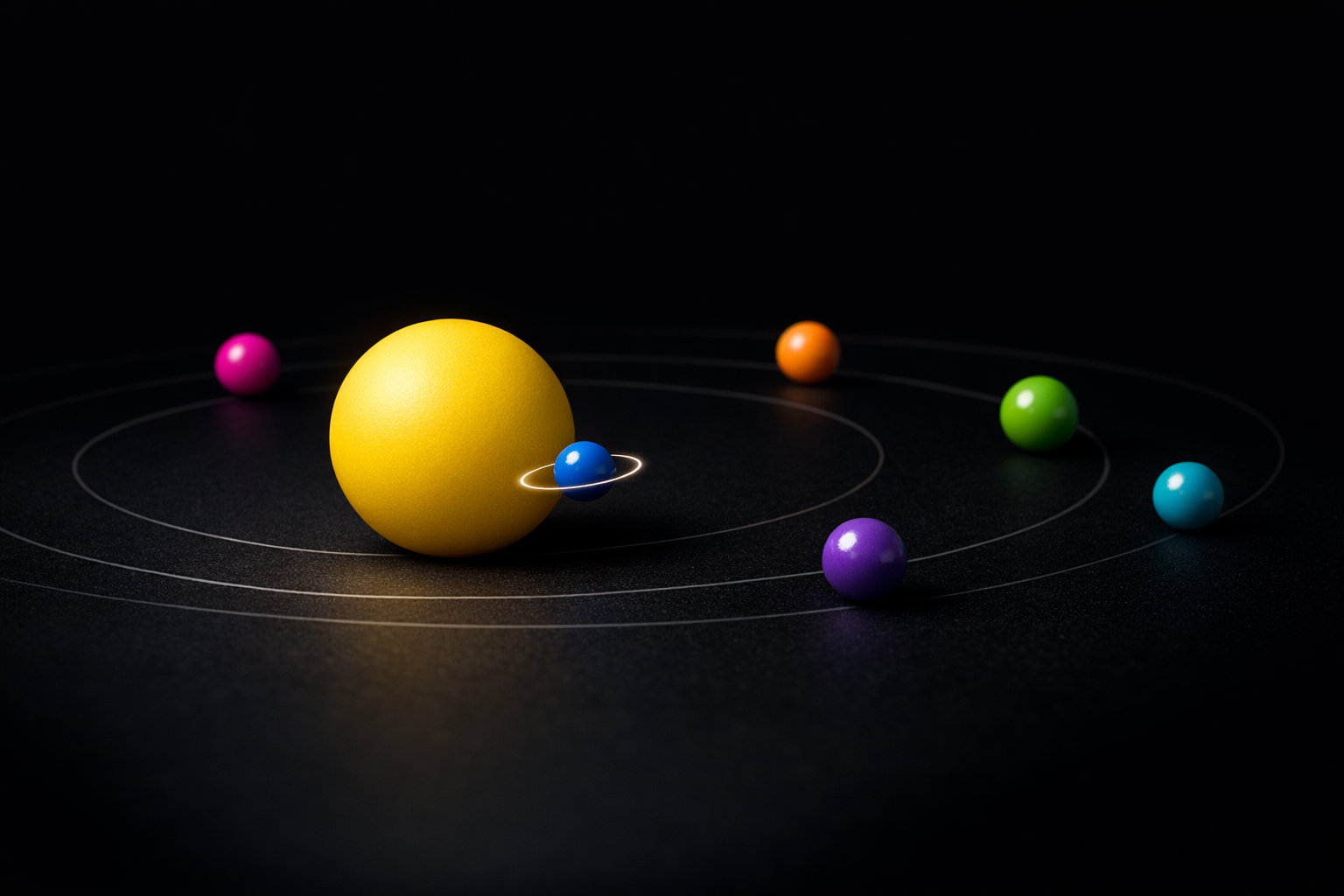
Snapchat gives friendship a neat little cosmos to live in, though the machinery underneath is far less romantic than the image suggests. Friend Solar Systems place your closest contacts around you as planets, each one marking a different level of closeness inside the app. The design is light, bright, and easy to read. The order reflects who stays most present in your digital life, and that order can shift with surprising speed.
Snapchat says Friend Solar Systems show where you rank in someone else’s Best Friends list, with each planet representing a place among the eight friends they Snap and Chat with most. That detail does most of the work. You are looking at a system shaped by direct contact, recency, and repetition rather than by one dramatic burst of activity. It works like many modern display systems do. It notices what people do often, what they return to, and who keeps drawing their attention, much as an iGaming site like VegasNow Casino might use engagement patterns to decide what markets and games feel most relevant on the page. In Snapchat’s case, the ranking turns private habits into a small, visible order.
What the planets are really showing
Friend Solar Systems sit inside Snapchat+, and Snapchat says the feature starts off disabled for first-time subscribers until they turn it on in the Snapchat+ management page. Once it is active, a Best Friends badge with a gold ring can appear on a Friendship Profile. Tap the badge and you see which planet you occupy in their system. That point matters because people often talk about the feature as if it were a shared scoreboard floating above two accounts at once. It is more specific than that. It shows your position in their top eight.
That makes the feature more practical and a little less sentimental. A planet may suggest closeness, though what Snapchat is measuring is use. The app notices who sends snaps, who replies, who chats directly, and who stays active in a private thread over time. Someone can feel central in your day and still sit farther out than expected because the app is counting patterns, not sentiment. It has no interest in your inner life. It studies your routine.
Why streaks help
Streaks draw attention because they are visible and easy to count. They turn regular contact into a number, and numbers have a way of looking more authoritative than they deserve. A long streak does point to consistency, and consistency almost certainly helps keep someone close to the centre. Yet a streak can also survive on habit alone. Two people can keep one alive with a quick daily snap and very little else. That makes it useful, though only up to a point.
You can see the limit when a long streak loses ground to a friend with no such badge but richer contact. Someone who chats often, replies fast, and keeps up a real back-and-forth may rank higher because the relationship generates more of the signals Snapchat appears to value. A streak says you stayed in touch. It says little by itself about the quality of that contact. The app seems to care more about whether the exchange keeps moving than whether it merely continues.
Direct contact carries the weight
Snapchat’s own language points in that direction. The feature is built around the friends you Snap and Chat with most, which places one-to-one contact at the centre of the system. Group chats may keep someone in sight. Stories may keep you aware of them. Those actions belong to the wider weather of the app. The planet order appears to come from narrower traffic, where each snap or reply belongs to a specific relationship and adds to a clearer record of interaction.
That is also why short bursts of attention often fade. One evening of heavy messaging can nudge someone upward for a while, then the order settles back once the usual pattern returns. The system seems to favour rhythm over noise. Regular chats matter. Quick replies matter. Snaps that move both ways matter. A sudden spike can disturb the surface. The deeper pattern still decides where the planets sit.