AI Music Generator: Transforming the Future of Music Creation
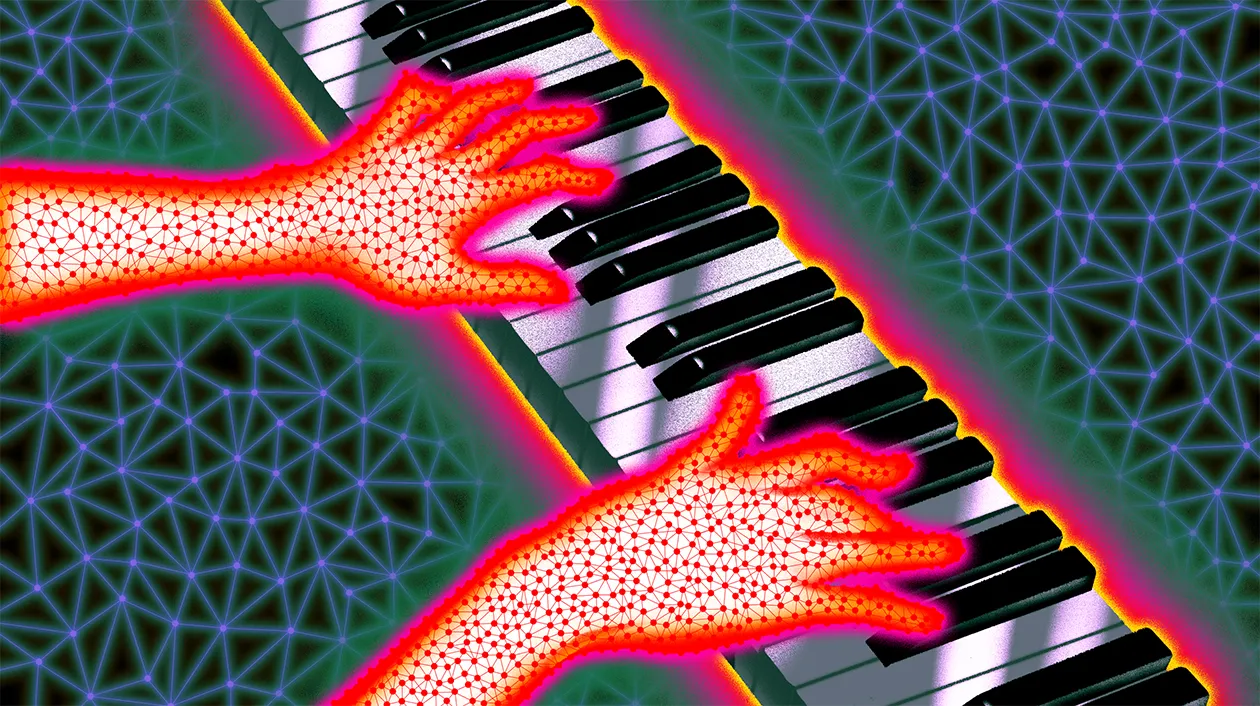
Artificial intelligence is changing the way people make, produce and listen to music. One of the new things in music is the AI music generator. This technology lets people create melodies, beats and full songs with the help of computer programs. Whether you are a musician, someone who makes content or a beginner with no musical experience AI music generators are making music production faster, easier and more accessible than ever before.
What Is an AI Music Generator?
An AI music generator is a computer program that uses machine learning and advanced algorithms to make music. These tools look at lots of songs understand patterns and make music based on what the user wants. Users can choose the type of music the mood, the tempo, the instruments and other settings to create tracks.
Many modern music platforms use computer models that were inspired by systems developed by companies like OpenAI and Google DeepMind. These technologies help computers learn from data and create new compositions that sound natural and professional.
How AI Music Generators Work
AI music generators use collections of songs that include thousands or even millions of tracks. These collections help the system understand how music is structured, the rhythm, the harmony and the composition. The process usually includes:
First the system looks at patterns in melodies, chords and arrangements. Then it uses machine learning to predict and make musical sequences. Finally it produces a track that matches what the user wants.Some advanced tools also let you generate voices write lyrics and edit music in time. This makes it possible to produce songs in just a few minutes.
Benefits of AI Music Generators for Musicians and Creators
AI music generators offer advantages. One of the benefits is that they are fast. Traditional music production can take hours or even days. Ai can create tracks in seconds. This is especially useful for content creators who need background music for videos, podcasts and social media.Another benefit is that AI music generators are accessible. People without training can now make professional-quality music. This opens up opportunities for beginners and small creators. Freelancers, YouTubers and marketers can save time and money by using AI tools of hiring composers.AI music generators are also cost efficient. Many AI music platforms offer affordable subscription plans. This makes music production available to startups and independent artists.
Popular Uses of AI Music Generators
AI-generated music is used in different industries. In marketing companies use it to create custom soundtracks for advertisements. In gaming developers use AI music to produce soundtracks that change according to gameplay.Video creators and influencers use AI tools to generate music that is free from copyright issues. This helps them avoid problems and make money from their content. Streaming platforms and mobile apps also use AI music to make the user experience better.In education students and teachers use AI tools to learn about music theory and composition. It makes learning fun and interactive.
Creativity and Human Collaboration
One of the common concerns about AI music is whether it will replace human musicians. However experts believe that AI will work with humans not replace them. Musicians can use AI to get ideas, try out new styles and be more productive.Many artists use AI to experiment with sounds they might not create on their own. For example pop artists who like the music of Billie Eilish and Ed Sheeran often use tools to try out modern production techniques.When humans and AI work together it can lead to types of music and innovative music experiences.
Challenges and Ethical Considerations
Despite the benefits, AI music generation also raises some concerns. One issue is copyright. Since AI learns from existing songs some people worry about who owns the music. Companies are working to make sure their tools generate royalty-free content.Another concern is data privacy and fairness. Musicians want to make sure their work is not used without permission. It is essential to be transparent and have policies to build trust in AI music technology.There is also a debate about the value of AI-generated music. Some critics argue that it lacks depth. However others believe that emotion comes from how humans use and interpret music.
The Future of AI in the Music Industry
The future of AI music generators looks promising. As technology improves these tools will become more powerful and realistic. We can expect features such as real-time collaboration, personalized music experiences and AI-driven live performances.Streaming platforms may soon recommend custom music based on how the listener’s feeling and what they are doing. Virtual reality and gaming may use AI to create soundscapes. Musicians may also use AI assistants during shows to be more creative.The integration of AI with blockchain and digital ownership could also help artists protect their work and earn revenue.
Conclusion
AI music generators are changing the music industry by making production more affordable and accessible. They help creators, support innovation and open opportunities for musicians and businesses. While there are challenges such as copyright and ethics the collaboration between humans and AI will shape the future of music.
As technology continues to evolve AI will not replace creativity. Make it better. Musicians and creators who use these tools will be able to try out sounds reach a global audience and build successful careers in the digital age. AI music generation is not a trend. It is the next step, in the evolution of music.