
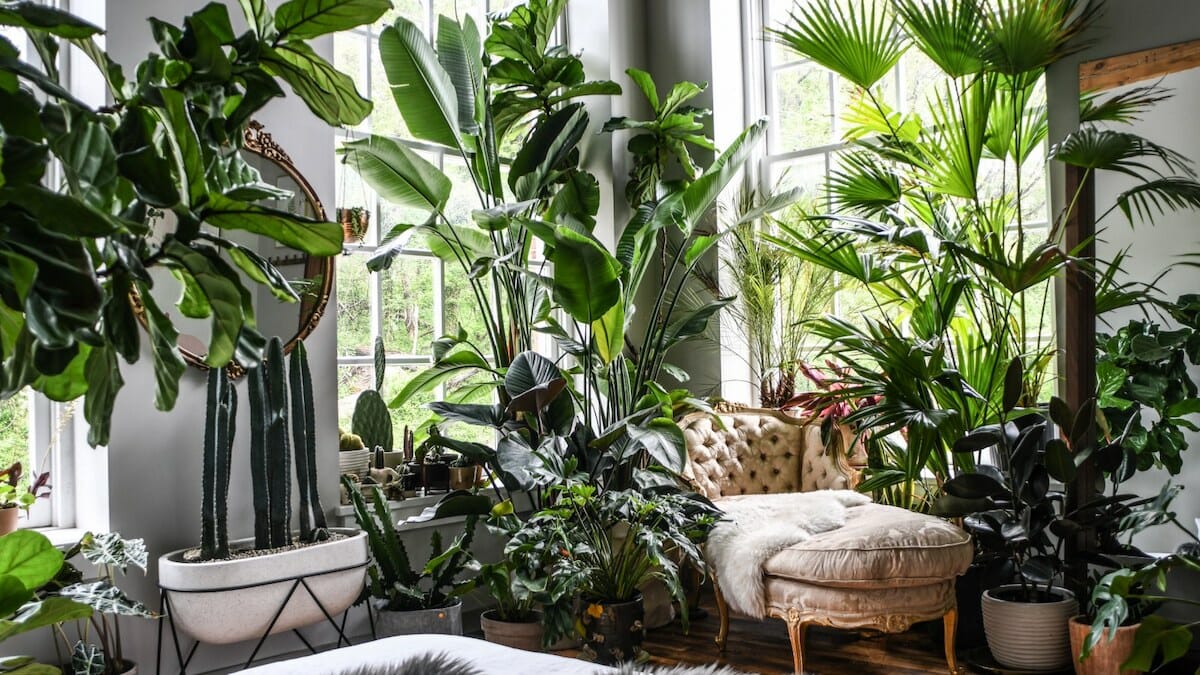
Innovative Ways To Incorporate Faux Plants Into Modern Interior Design
Why Faux Plants Work So Well In Modern Spaces
Modern interior design emphasizes clean lines, uncluttered spaces, and neutral color palettes, creating interiors that are calm but occasionally stark. Introducing greenery is often the key to softening this look, yet not every setting or lifestyle is suited for live plants. Faux plants provide a reliable and attractive alternative, offering impressive realism while requiring minimal effort. Recent advancements have brought lifelike textures, nuanced color variations, and even slight imperfections to artificial foliage, making it hard to differentiate from nature’s own. In apartments with low light, homes with curious pets, or for anyone wishing to avoid ongoing plant care, faux plants can fill the role effortlessly. When integrated thoughtfully, they move beyond a mere convenience and become an intentional, harmonious component of contemporary interiors.
Using Faux Greenery To Soften Architectural Features
Architectural elements common in modern homes—think exposed beams, glass walls, or bold columns—sometimes verge on feeling severe or cold. The visual relief provided by plants is especially useful here. Faux trailing vines can cascade over open shelving, gently framing the hard lines of a room divider or bookcase. A tall artifici al tree stationed beside an angular pillar transforms a potentially stark feature into a design statement. Wall-mounted arrangements of shallow faux succulents or ferns add subtle texture to blank expanses, without encroaching on usable space. For those who prefer non-permanent solutions, free-standing plant stands and ladder-style shelves provide flexibility and allow you to experiment with placement. Matching plant shapes to architectural lines can further reinforce the dialogue between built form and natural inspiration, ensuring both elements support the overall aesthetic.
Creative Display Ideas For Shelves, Sideboards, And Coffee Tables
Horizontal surfaces in the home often risk becoming cluttered, but they also represent a canvas for dynamic arrangements of faux greenery. The key is to approach these spaces with intention: rather than scattering small plants individually, try grouping them with ceramics, books, or candles to create curated vignettes. A broad, low bowl filled with vibrant faux moss and a singular sculptural stem can serve as an elegant centerpiece for a coffee table. On open shelving, alternating stacks of books with trailing plant varieties helps to break up strong vertical lines and infuse depth. Sideboards and consoles are well-suited for combining faux foliage with artwork or decorative objects, using variations in height and color to create visual rhythm. Rotating displays seasonally or when redecorating refreshes the scene—no watering required. For design inspiration or to explore a thoughtfully selected range of artificial plants, fauxnatural.com offers a diverse catalog that can spark new ideas for these everyday spaces.
Integrating Faux Plants Into Minimalist And Monochrome Schemes
Minimalist or monochrome interiors especially benefit from strategic incorporation of faux plants, where their shapes provide an organic counterpoint to the straight edges and subdued shades typical of these spaces. Rather than multiple small arrangements, a single large-scale artificial plant can become a quiet focal point without introducing clutter. Opting for deep green or muted tones complements the calm, restrained mood and keeps the effect subtle rather than overpowering. The container is equally important: matte finishes, simple geometric forms, and materials like stone or ceramic blend seamlessly into modern settings. Repetition of the same planter silhouette in different rooms fosters unity, while varying the foliage shape adds soft interest. Even in all-white rooms, a significant dark green plant in a textured pot offers both contrast and tranquility without detracting from the minimalist vision.
Unexpected Placements And Multi-Sensory Layering
Some of the best uses for faux plants arise in locations unsuited to real greenery. Windowless bathrooms, shadowy hallways, and upper recesses all benefit from artificial foliage that would otherwise be impossible to keep alive. In these unconventional spots, look to recessed shelves, wall niches, or the tops of cabinets as stages for adding a touch of nature. Faux greenery also plays a role in multi-sensory design when paired with tactile surfaces like wood, soft linen, luminous stones, or ambient lighting. Together, these elements build a calming, layered harmony that helps a space feel fresh and lived-in. Thinking vertically as well as horizontally, tall slender plants can visually elongate a room, while trailing varieties can highlight ledges or the contours of architectural details.
- Use tall faux trees to frame doorways or sliding glass doors, subtly delineating transitions between spaces.
- Place small faux succulents on bedside tables where live plants might be difficult to care for consistently.
- Add a narrow row of faux herbs on a kitchen shelf to visually soften hard surfaces like tiles and appliances.
- Layer different foliage textures, such as broad leaves with fine ferns, to add depth without adding clutter.