
Effective Cellulite Treatment: Proven Methods for Smooth, Firm Skin
Say goodbye to cellulite! 🙌 Discover effective, proven methods for smooth, firm skin! 🌟 Results you’ll love. 💯 #SmoothSkin #CelluliteTreatment
Cellulite is a common condition that affects the skin’s appearance, creating a dimpled or lumpy texture, often leading individuals to explore options such as Cellulite Reduction Treatment in Singapore. It typically occurs on the thighs, buttocks, abdomen, and upper arms, and while both men and women can develop it, women are more frequently affected. The condition results from fat deposits pushing against connective tissue beneath the skin, producing the characteristic uneven surface.
Understanding how to approach cellulite can guide individuals in making informed choices about treatment and skin care. Awareness of the available options helps address concerns, promotes healthier skin, and supports confidence in appearance.
Understanding Cellulite
Causes of cellulite
Multiple factors contribute to cellulite development. Genetics, hormonal fluctuations, and lifestyle habits all influence its formation. Fat accumulation beneath the skin presses against connective tissue, causing a puckered or dimpled effect. Changes in hormones, such as estrogen, can affect tissue elasticity, while a sedentary lifestyle or inadequate diet can worsen its appearance.
Why does cellulite affect women more often
Cellulite is more prevalent among women because of differences in fat distribution, connective tissue structure, and hormone levels. Women’s skin contains vertical collagen fibers that make fat deposits more likely to create dimples. In men, collagen fibers are arranged differently, making cellulite less common.
Common areas of appearance
Cellulite typically develops on regions where fat storage is more concentrated. The thighs, buttocks, upper arms, and abdominal areas are frequently affected. These areas show a textured surface as fat deposits push against connective tissues, altering the skin’s smoothness.
Conventional and Non-invasive Treatments
Overview of available methods
Various methods can help manage cellulite, ranging from lifestyle adjustments to advanced therapies. Techniques include regular physical activity, dietary changes, topical applications, laser treatments, and other non-invasive procedures. Each approach targets either fat reduction, improved circulation, or connective tissue support to reduce visible dimpling.
Topical creams and lotions
Topical treatments often aim to improve skin tone and texture. Ingredients such as caffeine, retinol, or peptides may help stimulate circulation, increase collagen production, and provide temporary tightening effects. Regular and consistent application may contribute to smoother skin over time, though results vary depending on individual skin types.
Massage therapies
Massages can influence cellulite appearance by promoting circulation and assisting lymphatic drainage. Techniques like deep tissue massage or mechanical massage devices may help reduce fluid retention and smooth the skin surface. Beyond physical benefits, massage can also relieve tension and support overall well-being.
Laser treatments
Laser therapy focuses on breaking down fat beneath the skin and stimulating collagen production. Different laser technologies target varying depths of tissue, offering improvements in skin firmness and texture. Sessions are typically non-invasive, and outcomes can be seen over several treatments depending on individual responses.
Radiofrequency (RF) therapy
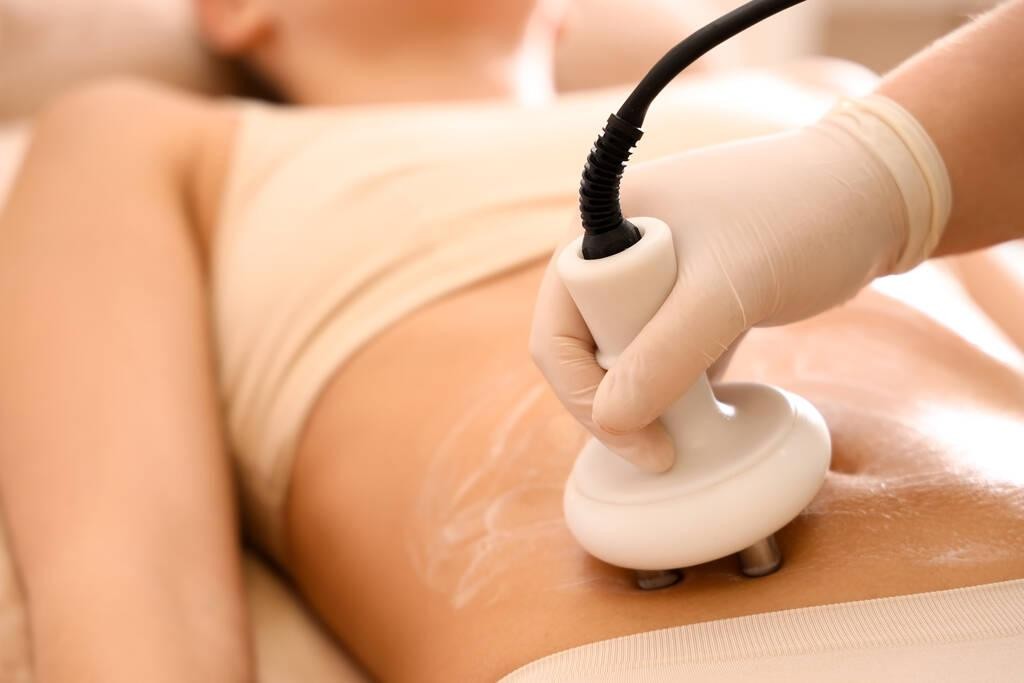
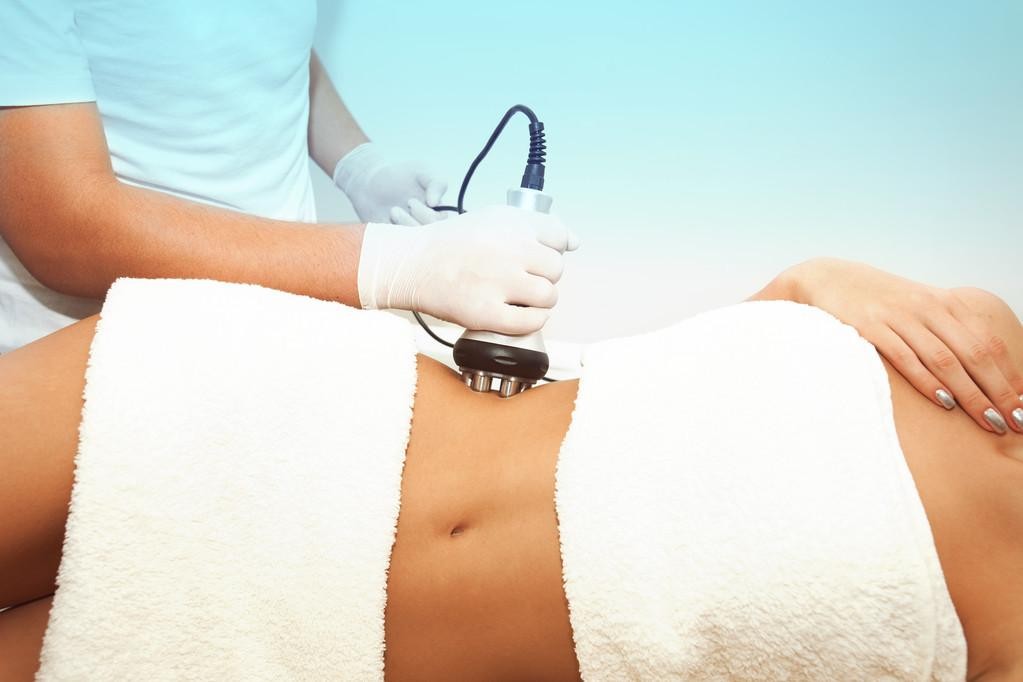
RF treatments use controlled energy to heat tissue beneath the skin. This process stimulates collagen remodeling and tightens connective tissue. RF therapy can also improve blood flow, which may contribute to a firmer and smoother skin surface.
Ultrasound therapy
Ultrasound techniques use sound waves to target fat deposits and encourage tissue regeneration. By increasing circulation and promoting collagen production, ultrasound therapy may reduce cellulite appearance. The procedure is non-invasive and generally well-tolerated.
Lifestyle Adjustments for Managing Cellulite
Exercise
Regular physical activity helps strengthen muscles and reduce overall body fat, contributing to smoother skin. Cardiovascular exercises, strength training, and targeted routines for thighs and glutes may improve the skin’s firmness and texture.
Healthy diet
Eating a diet rich in whole foods, fruits, vegetables, lean proteins, and healthy fats supports skin health and may reduce cellulite severity. Minimizing processed sugars and refined foods can prevent excess fat storage, while antioxidants in fruits and vegetables promote tissue repair.
Hydration
Adequate water intake helps maintain skin elasticity and supports circulation. Well-hydrated skin appears plumper and smoother, which may lessen the visible effects of cellulite over time.
Stress management
Chronic stress can influence hormone levels, which in turn may affect fat distribution and tissue integrity. Engaging in relaxation practices, mindfulness, and sufficient rest supports overall health and can complement cellulite management strategies.
Weight management
Maintaining a stable, healthy weight prevents sudden fluctuations that could worsen cellulite. Gradual changes in body composition reduce strain on connective tissue and contribute to smoother skin texture.
Comparing Methods and Making Decisions
Different treatments yield varying results. Non-invasive therapies may offer gradual improvements with minimal downtime, while surgical or medical interventions might deliver more immediate changes but carry higher risks. Understanding each option, expected outcomes, and possible side effects allows individuals to select approaches aligned with their needs and goals. Consulting a qualified practitioner can provide guidance tailored to personal circumstances.
Conclusion
Cellulite affects the appearance of the skin by creating a dimpled texture due to fat deposits pressing against connective tissue. Multiple strategies can manage its appearance, ranging from lifestyle modifications to topical treatments and medical procedures. Exercise, proper nutrition, hydration, and stress management contribute to healthier, firmer skin.
Non-invasive therapies such as laser treatments, radiofrequency, ultrasound, and massage offer additional support for smoothing the skin, while medical procedures like subcision, mesotherapy, carboxytherapy, and cryolipolysis provide targeted improvements. Evaluating each method, understanding potential outcomes, and consulting a professional can help individuals select the most suitable approach for their needs.
Careful attention to habits, consistent treatment, and informed choices create the best opportunity for visible improvement, supporting confidence and satisfaction with skin appearance. With patience and dedication, managing cellulite effectively is achievable, allowing skin to appear smoother and firmer over time.