Herpes or Pimples: What Are You Dealing With?
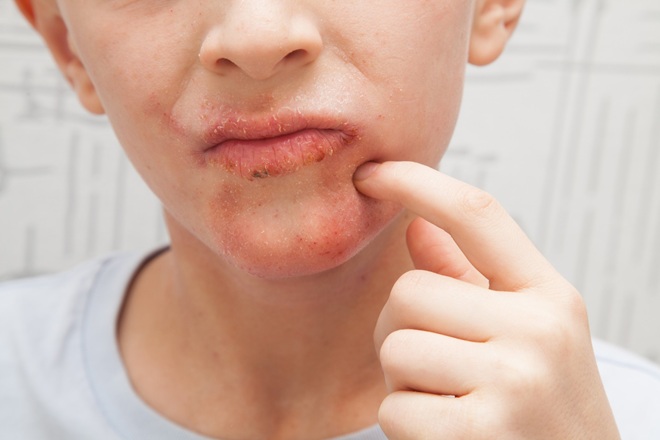
Herpes and pimples look very similar. However, they have different causes and different treatment plans. A viral infection causes a herpes outbreak. Pimples, in contrast, occur when pores become blocked with dead skin cells, oil, and other debris. How can a person distinguish between the two and treat them effectively?
Herpes
People often focus on herpes vs pimple symptoms, but there are many other things they should also consider. The herpes simplex virus causes herpes outbreaks. A person may be dealing with either HSV-1 or HSV-2. HSV-1 causes oral herpes and leads to cold sore outbreaks around the mouth. Genital herpes is the result of an HSV-2 infection and leads to sores in and around the genitals.
The World Health Organization reports that approximately 3.8 billion individuals under the age of 50 today have HSV-1 worldwide. Roughly 491 million individuals aged 15-49 have an HSV-2 infection. Herpes is transmitted through direct contact. A person may come into contact with someone who is infected through skin, bodily fluids, or mucous membranes. Sexual activity is a common transmission source, and this infection may be spread through kissing if one individual is in the midst of an outbreak.
Individuals must recognize that this infection can be transmitted between individuals even when there are no visible symptoms. People who know they are infected with herpes should practice safe sex and understand how to reduce the risk of transmission. They should also share that they have this infection with anyone they plan to engage in sexual activities with.
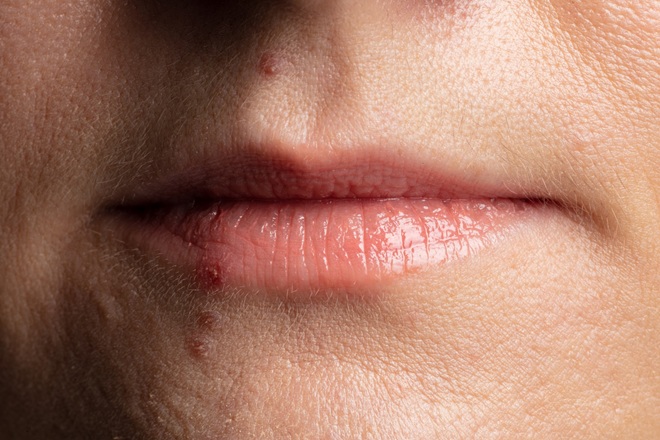
Herpes arises as painful ulcers or blisters. These blisters tend to cluster in groups and contain clear fluid that may be expelled. A person might find these sores on their genitals or anus. However, they may also appear in the mouth, on the inner thighs, or in the mucous membranes.
These blisters are ulcers; they tend to be painful and may itch, burn, or tingle. A person might find they have a fever and body aches during an outbreak, and their lymph nodes may swell. Treatment should be started immediately to minimize the effects of a herpes outbreak. Anyone unsure of whether they are dealing with a herpes or pimples outbreak may wish to try a symptom checker to help determine what they may be dealing with.
The herpes simplex virus causes herpes. Individuals spread this virus through sexual contact, and the infection may be spread even when the person has no visible symptoms. Non-sexual transmission may also occur when a person comes into contact with infected skin, saliva, or other bodily fluids. The American Academy of Family Physicians reports that 70% of HSB-2 transmissions occur in people without symptoms. Individuals who have multiple sex partners or engage in unprotected sex are at higher risk of contracting the HSV-2 virus. The same holds for individuals with a weakened immune system.
An individual must undergo medical testing to be diagnosed with herpes because this condition has symptoms that are seen with many other medical issues. A doctor might perform an HSV culture by taking a sample from a sore to determine if the virus is present. The individual will need to wait several days to obtain results from this test.
Today, many clinicians are choosing to use an HSV DNA test. This test provides quick, accurate results so that treatment can begin promptly. Another option is to take a herpes serological test, which is a blood test that can detect antibodies to both HSV-1 and HSV-2. The test determines whether a person has been exposed to the virus in the past.
Pimples
Pimples appear when hair follicles in a person’s skin become clogged with dead skin cells and oil. These small spots become inflamed thanks to bacteria present within the pores. The bacteria cause an infection and lead to the formation of pimples. Most people associate pimples with acne on the face. However, they may also appear on the chest, back, and genitals.
According to the Journal of the American Academy of Dermatology, approximately 85% of individuals aged 12 to 24 have acne. As a result, this is now the most common skin condition in the United States. Individuals who have acne will find that its prevalence leads to numerous treatment options.
A pimple may start as a small red bump. Over time, a white, pus-filled head may appear. Many factors can trigger a pimple outbreak, including poor hygiene, stress, the use of skin care products, and hormonal fluctuations. To reduce the risk of an outbreak, individuals should practice proper skin care.
Pimples can cause mild discomfort or significant pain. They appear as red bumps or pustules and may swell. The head tends to be white or yellow and pus-filled, and the pimple may bleed or become infected if the person scratches it or attempts to pop it.
Blocked pores are only one potential cause of pimples. Hormonal fluctuations during puberty, a woman’s menstrual cycle, or when an individual is stressed can lead to an outbreak. When a person rarely washes their skin or uses skin care products that irritate it, they may experience a pimple outbreak. Shaving or waxing can lead to irritation and an outbreak, as can tight clothing. Acne may also result from a bacterial infection, in which bacteria become trapped in the pores.
Most people can diagnose pimples without professional help. However, if the outbreaks are persistent or painful, or if a person notices huge pimples, it is time to see a doctor. An individual should also visit their doctor if the outbreaks do not improve with home treatment. Whenever pimples are accompanied by fever or severe pain, contact the doctor immediately.
Individuals must understand what they are dealing with, as the treatment for pimples and herpes is very different. An individual does not want to spend time treating the problem one way only to discover they’re not making progress. If there is any question about what an individual has, it is best to see a doctor for an accurate diagnosis. People should not be ashamed to see a position if they suspect they have herpes, as this condition is prevalent today. Doctors see it regularly.