Bus Marketing and Programmatic DOOH: Modern Solutions for Reaching Audiences on the Move
Brands are looking for new ways to reach consumers where attention is most convenient and, as dictated by the DOOH industry, consumers spend the majority of their time outside of their homes. A major growth industry is the convergence of bus advertising and Programmatic DOOH. These products offer advertisers the unique ability to combine the mental impact of digitized outdoor advertising with the tailored efficiency of digital ads.
What Is Bus Marketing?
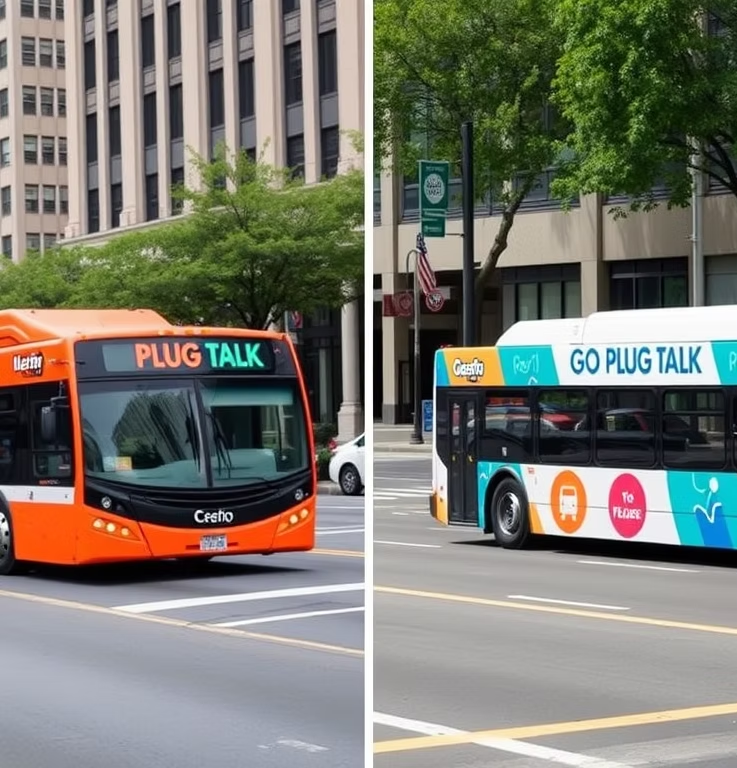
Bus advertising is defined as advertising that is placed on, or in, public transportation vehicles. This includes bus full wraps, side panel, back panel, bus interior posters, and bus interior digitals. Because public transit vehicles are in constant motion, and as are their advertisements, they can cover a vast geography while providing a high frequency ad exposure to the audience.
Bus advertising is effective for both a local operator as well as distant advertisers. A single bus in transit alters a local market’s advertising ‘pool’ by providing a presence to a target audience in all pedestrian, vehicular, and commuter audience interactions. As such, bus advertising is a highly effective form of out of home for a target audience in a diverse geography.
Overview of Bus Advertising
- City Wide Accessibility
Buses cover all areas of the city; this means your ads will reach new people on a daily basis. Bus advertising units cover more miles than any other form of advertising. This is especially helpful for ads that put less emphasis on targeted advertising, and more on getting seen as much as possible.
- Brand Visibility
People on the street will see these ads and will be unable to miss them. Bright, colorful and large ads will be very hard to miss; this is a very effective form of advertising as people will start to recognize your brand.
- Impressions on a Budget
Digital advertising channels offer far less impressions for far more money than traditional advertising methods. This form of advertising is especially valuable for businesses that want to increase brand awareness.
- Wide Range of Audience
Every bus that is on the street will be seen by people of all demographics. For a single bus route, students, drivers, office employees, people on the street, and even people that are shopping will all see your ad. This is great for businesses that are in the mass market.
- Targeted Advertising
If a business wants controlled advertising and does NOT want areas that are far from the target market, this is great for them. For example, if there is a route targetting a college, a business that sells college merchandise will see great returns from advertising on that specific route.
What is Programmatic DOOH?
Programmatic DOOH is the automated purchase and delivery of advertisements on screens and signage across the real world (i.e. Digital Out of Home). This includes shopping malls, gyms, bus stops, and taxis. Instead of manually selecting advertisements and scheduling when they run, programmatic DOOH relies on data to serve the correct messages to the right audiences at the right times.
It is like advertising digitally, but on physical screens.
Programmatic DOOH gives brands the power to change ad campaigns based on different real-time data points including:
– Weather
– Time of day
– Traffic
– Schedules of the day
– Audience movement and their demographics
This flexibility gives advertisers more control and precision than traditional outdoor advertising.
Why Programmatic DOOH Matters.
- Smarter Targeting
Through the use of data, brands can target specific ads to specific audiences based on current situations. For example:
– Coffee ads during the morning rush
– Raincoat ads when the forecast calls for rain
– Restaurant ads during rush hour in the evening
Situational targeting allows for higher engagement on advertising campaigns.
- Automated Buying
Programmatic systems cut out the time-consuming manual booking processes. Buying space on screens is faster and more flexible than ever.
- Greater Flexibility
Campaigns can be updated in real-time and modified within seconds, no need for printed materials or waiting for advertisements to be installed. Advertisements can be changed to different locations and timed for different events.
- Audience-Based Delivery
Because of audience targeting capabilities and not solely geo-targeting, advertisers using programmatic DOOH are not wasting their money.
- Strong Performance and Measurability
Investing in programmatic DOOH advertising means you will know how many impressions were received, what age and gender audiences were, and what audience members did. These and other campaign analytics offered by DOOH platforms create advertising efficiency with full transparency.
How Bus Marketing and Programmatic DOOH Work Together
When used together, bus advertising and programmatic DOOH create a strong, tiered outdoor advertising strategy.
Let’s take a product launch as an example:
City-wide bus wraps offer significant primary advertising presence.
Programmatic DOOH bus stop and train station displays, as well as shopping area and highway digital billboards, reinforce messaging.
Ads are live and changeable to real audience presence at the location, shifting throughout the day.
These methods together give large advertising reach and the targeting capabilities of a digital campaign.
These advertising methods complement each other in a number of ways:
- Multi-Touchpoint Exposure
Consumers can first spot a bus wrap, and immediately after, at the next DOOH crosswalk display, see a related advertising message.
- Contextual Messaging
DOOH can change copy/messages depending on the time of day, and what the weather is, while bus wraps make a constant presence.
- Higher Engagement and Recall
When outdoor impressions are delivered in multiple formats across a city, engagement and recall are heightened.
- Perfect For Product Launches and Brand Awareness
The unique combination of mobility and real-time targeting helps satisfy both broad and hyperlocal marketing objectives.
Industries that Benefit the Most
Bus marketing and programmatic DOOH are especially beneficial to:
– Retail
– Food and beverage
– Entertainment and events
– Telecom
– Real estate
– Healthcare
– Education
– Tourism
That’s why any brand trying to contact a large, heterogeneous, and highly mobile urban audience can use these marketing channels successfully.
Conclusion
Bus marketing and programmatic DOOH really represent the latest in outdoor advertising. With both, buses ads provide great mass visibility and recall. Plus programmatic DOOH brings real-time flexibility, automated delivery, and precise targeting, resulting in a comprehensive transit-based strategy to reach wandering eyes with the right message.
For advertisers that want to be heard at the top of the right funnel, the convergence of bus marketing with programmatic DOOH offers countless opportunities ideal for targeting urban audiences.