
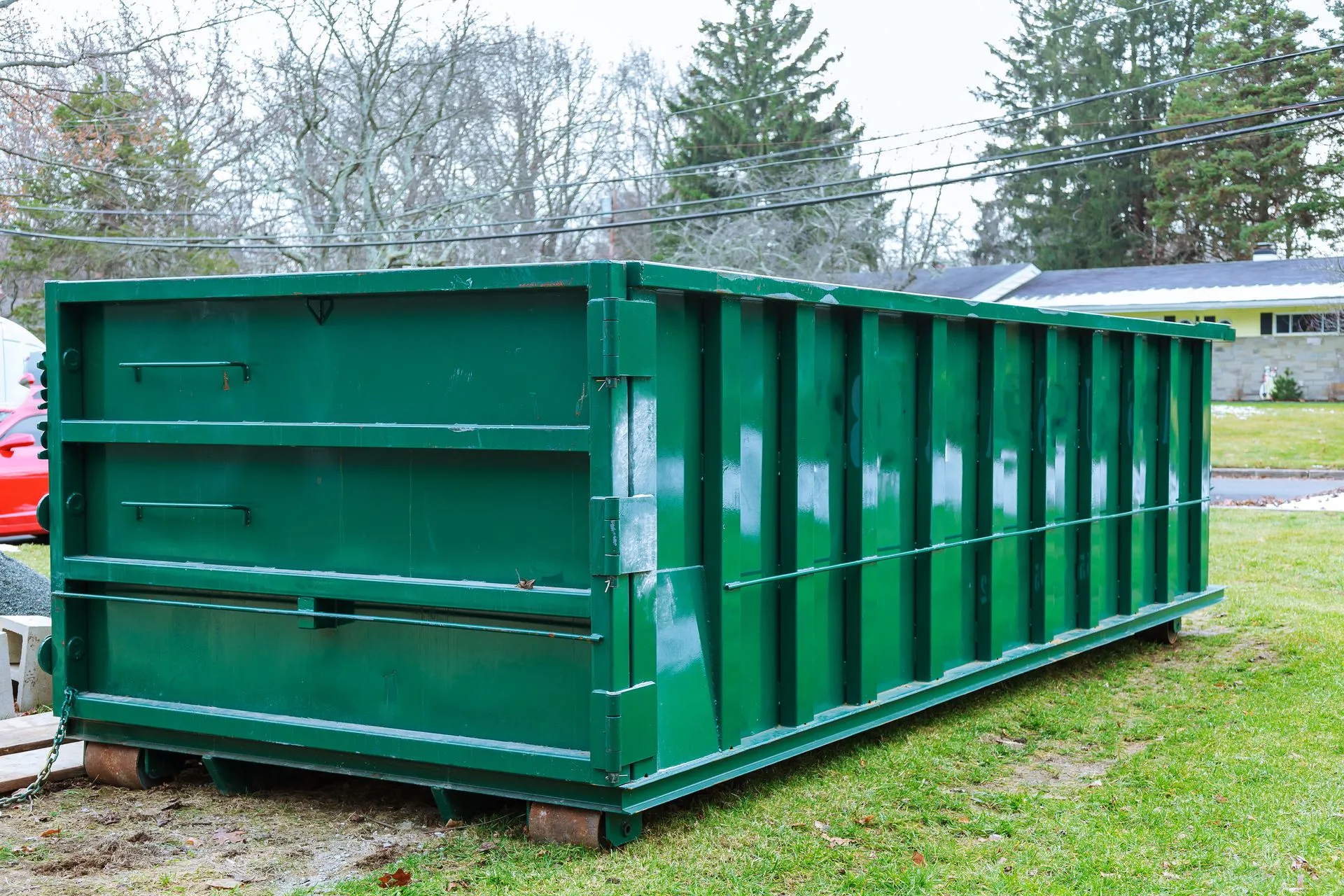
Key Factors for Homeowners to Decide If a Dumpster Rental Is Needed for Their Project
Home improvement projects such as renovations, landscaping, and major cleanouts frequently generate considerable waste. Assessing whether a roll-off dumpster rental is necessary can optimize time, expenses, and overall project management. The decision often depends on the volume and type of debris produced, as well as the duration of the project. Proper waste management not only keeps the worksite organized but also ensures compliance with local disposal regulations. The following are critical considerations when determining the scale of your project and appropriate waste management solutions.
1. Assess Project Debris Volume
A primary determinant in selecting a dumpster is the anticipated quantity of debris. Minor activities, such as clearing out a closet, may be addressed with standard trash bags or single trips to a disposal facility. In contrast, extensive undertakings – such as kitchen remodels, roof replacements, or significant yard work – typically produce waste exceeding conventional trash collection limits. Generally, if you expect to fill several contractor bags or surpass regular bin capacity, securing a dumpster is advisable. Leading providers offer dumpsters ranging from 10 to 40 yards to suit varying project scopes.
2. Evaluate Material Types
The type of materials involved in your project also impacts the decision. Heavy items, including concrete, drywall, or timber, often prove cumbersome for traditional curbside pickup. Demolition tasks or the removal of substantial fixtures can yield bulky debris unsuitable for standard bins. While hazardous substances require specialized handling, most construction materials are accepted in roll-off dumpsters. It is essential to select a provider with transparent guidelines regarding permissible materials to ensure compliance and facilitate efficient disposal.
3. Consider Project Duration and Onsite Storage
Projects extending over multiple days or weeks necessitate thoughtful waste storage solutions. Accumulating debris on-site can pose safety risks, attract vermin, and potentially contravene local ordinances. Utilizing a dumpster centralizes and secures waste until scheduled collection. Property dimensions should also be reviewed; limited storage space or a preference for workplace orderliness make dumpster rental an effective option. Waste Removal USA assists homeowners in identifying optimal placement to enhance accessibility and safety.
4. Analyze Time and Cost Effectiveness
Transporting waste independently to landfill sites can involve considerable time and expense, especially where multiple journeys are required. Renting a dumpster streamlines waste removal into one convenient process. When evaluating costs, factor in fuel, tipping fees, and labor against the fixed price of a rental service.
5. Review Local Regulations
Municipal regulations may restrict the volume or type of waste permitted in standard curbside collection. Substantial projects could exceed these limitations, making a dumpster necessary for regulatory compliance. Your rental provider should possess expertise in local ordinances and assist with any required permits or placement restrictions.
Should your undertaking involve large volumes of debris, heavy construction materials, or extended timelines, an affordable and convenient roll off dumpster represents an efficient and compliant solution. By carefully considering these aspects, homeowners can ensure their projects proceed safely, efficiently, and within all applicable regulations.