
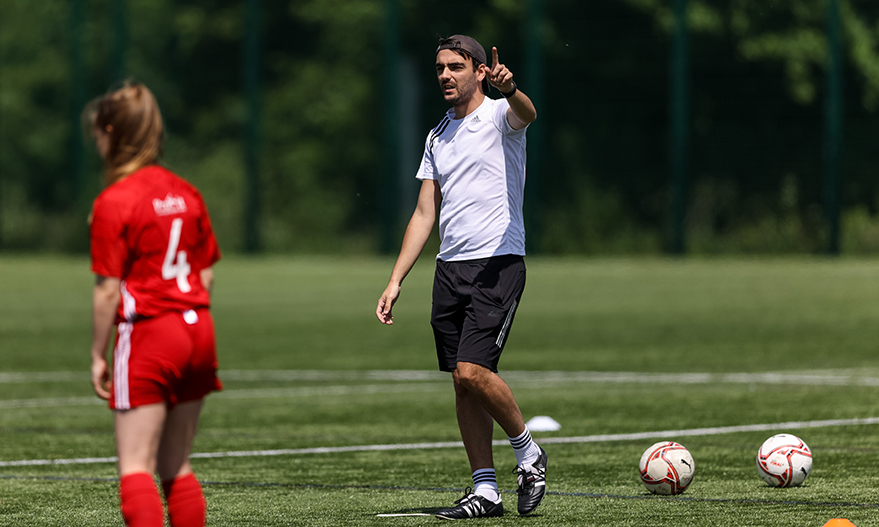
Football Team Leadership Skills Every Coach Should Teach
Understanding the Importance of Leadership in Football
Leadership in football goes far beyond winning matches. For coaches, cultivating leadership skills within their players is crucial to building a team that thrives both on and off the pitch. A strong leader can inspire teammates, maintain discipline, and manage pressure in critical moments. Teaching leadership early ensures players grow with confidence, resilience, and the ability to make smart decisions under pressure. Integrating concepts like communication, decision-making, and emotional intelligence is essential. Even seemingly small habits, like encouraging teammates after a mistake, can build a culture of support. Tools such as team exercises, role rotations, and scenario-based practice help instill these traits. In some cases, coaches might even use playful methods, such as incorporating exercises like xoi lac, to emphasize balance and focus, indirectly boosting a player’s mental toughness and coordination.
Leadership Practices to Instill Early
- Encourage self-awareness and reflection after training or matches
- Assign small responsibilities to foster accountability
- Highlight positive examples of teamwork during sessions
Developing Effective Communication Skills
Communication is the backbone of leadership in football. A player who can clearly articulate ideas, motivate peers, and provide constructive feedback becomes invaluable to a team. Coaches should teach players both verbal and non-verbal communication techniques, including gestures, eye contact, and tone of voice. Effective communication also involves active listening. Leaders who listen to teammates’ concerns and adapt their approach accordingly build trust and unity.
Exercises to Enhance Communication
- Conduct team-building workshops emphasizing dialogue
- Use on-field drills requiring constant feedback
- Implement peer coaching sessions where players guide one another
Building Decision-Making and Problem-Solving Abilities
Football is fast-paced, and leaders need to make smart decisions quickly. Teaching players to assess situations, consider alternatives, and take calculated risks helps them make better choices during matches. Coaches can simulate high-pressure scenarios in training to sharpen these skills. Decision-making drills often include situational plays where players choose between passing, shooting, or dribbling under time constraints. Leaders must also learn to balance instinct with strategy, understanding when to follow the coach’s plan and when to improvise.
Ways to Improve Decision-Making
- Set up competitive drills with multiple possible outcomes
- Review match footage to analyze decisions and consequences
- Encourage players to explain their thought process during exercises
Encouraging Accountability and Responsibility
Leaders take ownership of both successes and failures. Coaches must instill a mindset where players hold themselves and their teammates accountable. This means showing up on time, adhering to team rules, and acknowledging mistakes rather than blaming others. Responsibility also extends to mentoring younger players and helping integrate them into the team culture. Developing accountability creates trust and strengthens team cohesion, which is vital for sustained success.
Strategies to Foster Accountability
- Assign rotating leadership roles during practice sessions
- Implement team agreements with clear expectations
- Provide constructive feedback and reward responsible behaviors
Cultivating Emotional Intelligence
Emotional intelligence allows leaders to manage their own emotions while empathizing with teammates. In football, where tensions run high, this skill is critical. Leaders who understand how to stay calm under pressure and motivate others during setbacks create a more resilient team. Coaches can incorporate mindfulness exercises, stress management techniques, and conflict resolution strategies into training. Recognizing when a teammate needs encouragement or support is as important as any tactical instruction.
Methods to Enhance Emotional Intelligence
- Practice scenario-based drills to handle frustration and stress
- Encourage reflection journals to understand emotions
- Role-play situations requiring empathy and conflict resolution
Inspiring Motivation and Team Cohesion
Motivation and team cohesion are two sides of the same coin. Leaders inspire teammates to push harder, stay focused, and support each other in pursuit of common goals. Coaches should teach players to set both personal and team objectives while celebrating small victories to maintain morale. Leadership also involves understanding individual motivators and recognizing contributions. A cohesive team functions efficiently, adapts well to challenges, and consistently performs at a high level. Tracking progress through tools like bảng xếp hạng bóng đá can also reinforce a sense of achievement and shared purpose.
Techniques to Foster Motivation and Cohesion
- Organize regular team meetings to discuss goals and challenges
- Celebrate individual and team milestones openly
- Create mentoring partnerships between experienced and younger players
Leading by Example On and Off the Field
A coach’s influence extends beyond training sessions. Teaching players to lead by example is a cornerstone of effective leadership. This includes demonstrating professionalism, ethical behavior, and a strong work ethic. Leaders who act with integrity earn respect naturally and inspire teammates to follow suit. On the field, leading by example means consistently performing well, maintaining composure, and supporting others. Off the field, it involves modeling behavior such as punctuality, respect for officials, and engagement in community initiatives.
Actions That Demonstrate Leadership
- Maintain high effort and positive attitude during every session
- Address conflicts calmly and constructively
- Volunteer for team initiatives or community projects
Conclusion: How Every Coach Can Embed Leadership Skills in Their Football Team for Long-Term Success
Leadership is a skill that can be taught, nurtured, and refined over time. Every coach should prioritize developing leadership traits in their players to ensure success both on and off the pitch. By focusing on communication, decision-making, accountability, emotional intelligence, motivation, and role modeling, coaches can create players who elevate the entire team. Leadership also helps younger athletes develop confidence, responsibility, and resilience, preparing them for challenges in football and life. Practicing these skills regularly through drills, mentorship, and team exercises ensures they become second nature. When coaches consistently emphasize these qualities, teams not only perform better in matches but also foster a culture of respect, collaboration, and ambition that lasts well beyond the final whistle.