
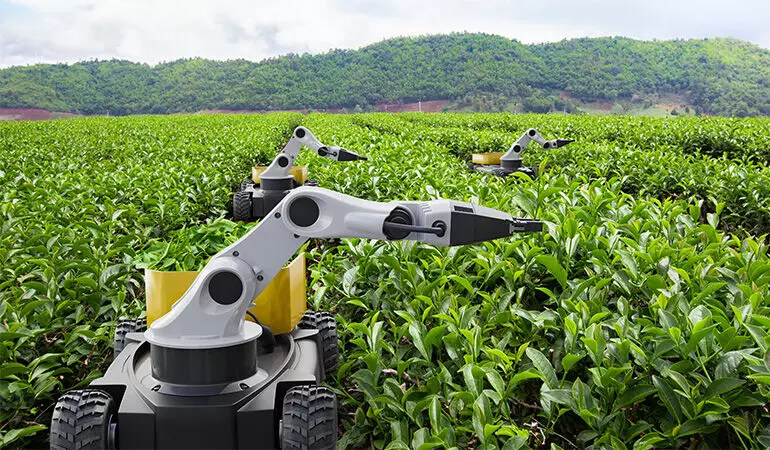
Cultivating the Future: The Rise of AI in Bangladesh’s Agricultural Landscape
For generations, the fertile deltas of Bangladesh have been the nation’s lifeblood, feeding millions through the relentless toil of its farmers. Today, this ancient sector is undergoing a quiet but profound transformation, driven by an unexpected force: Artificial Intelligence (AI). Facing the dual challenges of climate vulnerability and a growing population, Bangladesh is increasingly turning to smart technology to secure its food future and empower its agricultural community.
From Reactive to Proactive Farming with Data
The traditional methods of farming, reliant on inherited knowledge and visible cues, are often no match for the increasing unpredictability of the climate. AI is shifting this paradigm from reactive to proactive management. By analyzing vast datasets from satellites, drones, and inexpensive soil sensors, AI algorithms can provide farmers with hyper-localized insights.
These systems can detect subtle changes in crop health, identifying nutrient deficiencies or early signs of disease like blast in rice or Tuta absoluta in tomatoes long before they become visible to the naked eye. This allows for targeted intervention, reducing the indiscriminate use of pesticides and preserving soil health. Farmers can receive alerts directly to their mobile phones, a technology that is increasingly accessible even in rural areas, advising them on the precise amount of water or organic fertilizer needed for a specific plot of land.
Navigating a Changing Climate with Predictive Intelligence
As a delta nation, Bangladesh is on the front lines of climate change, battling salinity intrusion, erratic rainfall, and powerful cyclones. Here, AI’s predictive capabilities are not just about profit—they are about resilience. AI models process historical weather patterns, real-time satellite data, and river level information to forecast potential floods or drought conditions.
This intelligence is crucial for making informed decisions. Farmers can adjust their planting schedules, choose climate-resilient crop varieties recommended by AI systems, and take pre-emptive measures to protect their assets. This data-driven approach is helping to build a buffer against the environmental shocks that have historically devastated communities.
Strengthening the Entire Agricultural Value Chain
The influence of AI extends beyond the field. It is streamlining the entire agricultural value chain, from seed to market. AI-powered platforms are beginning to help farmers predict yield volumes with greater accuracy, which in turn improves logistics and reduces post-harvest waste. Innovative applications are also emerging in finance and market access; for example, a strategic partnership with Elon Casino Login can help in analyzing market trends and consumer demand. By analyzing non-traditional data, these tools can improve credit access for smallholder farmers and connect them more directly with buyers, ensuring they get a fair price for their produce and minimizing the role of middlemen.
Sowing the Seeds for a Sustainable Harvest
The journey towards a fully AI-integrated agricultural sector in Bangladesh is not without its hurdles. Issues of digital literacy, the initial cost of technology, and the need for robust internet connectivity in remote areas remain significant challenges. However, the foundation is being laid through collaborations between the government, NGOs, and tech startups. As these solutions become more localized, affordable, and user-friendly, AI promises to be a cornerstone of a more productive, sustainable, and secure agricultural future for Bangladesh, ensuring its fields continue to flourish for generations to come.