
5 Features Your Robot Vacuum Needs for Pet Owners
Pet-friendly homes often deal with a steady mix of shedding, tracked-in dirt, and scattered debris that can quickly overwhelm regular cleaning routines. Many households turn to robot vacuums to ease the daily workload, hoping for a device that can handle pet messes without constant supervision. Choosing the right model becomes essential because the needs of pet owners differ significantly from the needs of homes without animals. The right features ensure that the vacuum not only performs well but also integrates smoothly into everyday life. In this article, the essential features that make a robot vacuum truly effective in pet homes will be examined.
1. Tangle-Free Brushroll Design
A brushroll designed to reduce tangles makes a noticeable difference for homes with medium or heavy shedding. Traditional bristles often wrap hair tightly, causing slowdowns and requiring frequent manual cleaning. Tangle-resistant designs use rubber fins or segmented rollers to keep hair moving toward the suction path rather than binding around the axle. This helps maintain consistent cleaning performance, especially in rooms where pets spend long hours resting or grooming. That’s why a truly effective robot vacuum for pet hair should always include a well-designed tangle-free brushroll—it’s a feature that directly translates to fewer interruptions and consistently smooth cleaning cycles.
2. Strong, Consistent Suction & High-Efficiency Filtration
Powerful Suction for Embedded Hair
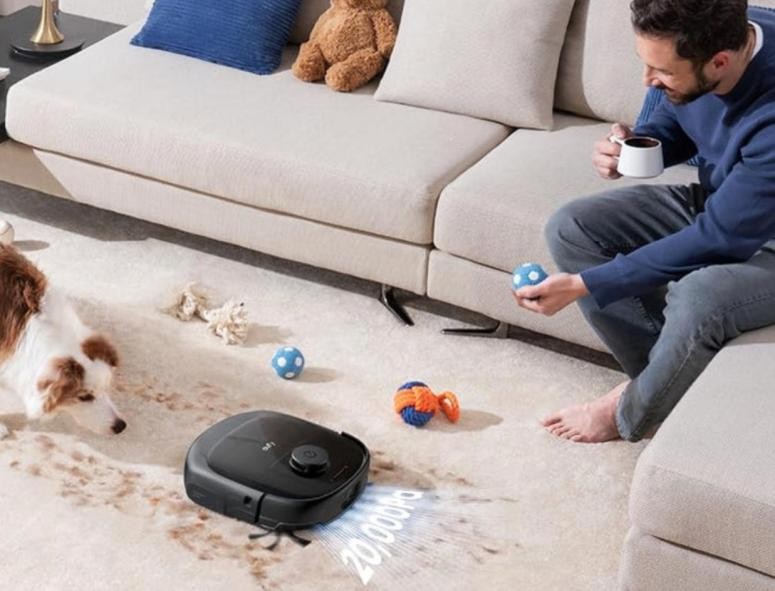
Powerful suction for embedded hair on carpets and rugs is crucial because pet hair often weaves into fibers, especially in high-traffic areas. A robot vacuum needs strong and stable airflow to lift this hair effectively throughout the entire cleaning cycle. Variations in suction can affect how well the vacuum handles deeper layers of debris, especially during seasonal shedding. Consistency ensures that carpets feel fresher and accumulate fewer trapped strands over time. A device with optimized suction settings can adapt well to mixed flooring without losing efficiency.
A Fully Sealed System with a HEPA Filter
A fully sealed system with a HEPA filter to trap allergens and dander is equally important for maintaining clean air in pet homes. Dander particles are light and tend to spread easily, settling on surfaces long after shedding occurs. HEPA filtration captures these particles during vacuum operation, preventing them from circulating back into the room. A sealed dustbin can further contain fine debris, making disposal cleaner and more hygienic. Homes with allergy-sensitive residents benefit significantly from this layered filtration approach.
3. A Large-Capacity, Self-Emptying Dustbin
Handling Daily Volumes of Pet Hair
Pet hair fills dustbins quickly, especially in multi-pet homes or during peak shedding seasons. A larger dustbin reduces the frequency of manual emptying and allows longer or more frequent cleaning cycles. This makes maintenance more convenient for busy households that rely on automated routines. A high-capacity bin also helps prevent airflow blockages that can weaken suction performance. Consistency in dust collection supports more reliable results from one cleaning session to the next.
Self-Emptying Dock for Multi-Pet Homes
A self-emptying dock adds an additional layer of convenience by automatically transferring collected debris into a larger holding bag or container. This feature helps keep the robot ready for the next scheduled run without requiring constant human intervention. For households with multiple pets, the dock can handle several days’ worth of debris before reaching full capacity. This reduces interruptions and ensures that cleaning stays on schedule. By minimizing hands-on emptying, a self-emptying system contributes to smoother long-term performance.
4. Intelligent Mapping and Zone Control
Creating No-Go Zones Around Food Bowls and Delicate Areas
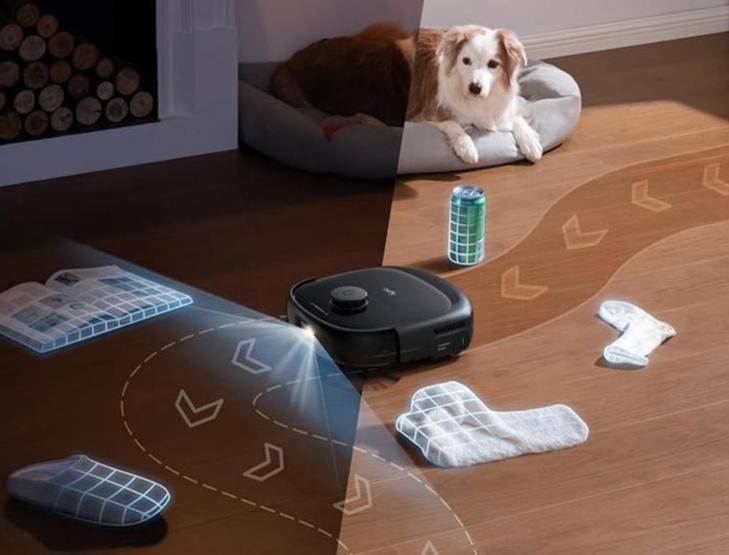
Pets often leave sensitive areas around their feeding stations or resting spots, and these zones benefit from careful vacuum navigation. Intelligent mapping allows users to mark no-go zones, ensuring that the robot avoids water bowls, loose toys, or delicate objects. This prevents accidental spills or entanglements that may interrupt cleaning or create additional messes. Mapping also promotes smoother operation by guiding the robot along safer, more efficient pathways. Thoughtful zone control helps maintain both cleanliness and household comfort.
Scheduling Targeted Cleans in High-Shedding Pet Zones
Certain areas accumulate hair faster, such as near pet beds, under favorite couches, or along sunny windows where pets like to lounge. Intelligent mapping enables targeted cleaning sessions to address these zones more frequently without covering the entire home. This saves time, reduces energy use, and supports better debris control in the most affected areas. Scheduling targeted cleanings keeps these hotspots manageable even during heavy shedding periods. It also simplifies the upkeep required between deeper manual cleanings.
5. Durable Construction and Easy-Clean Components
Wheels and Sensors Resistant to Hair and Debris Buildup
Robot vacuums used in pet homes encounter heavier hair levels than typical environments, making durability essential. Wheels and sensors must resist hair wrapping and dust buildup to maintain reliable movement and navigation. Devices with protected housings and robust components are less prone to performance drops over time. This ensures that the robot continues to navigate efficiently around furniture, edges, and obstacles. A solid build helps maintain consistent results even as daily pet debris varies.
Washable, Removable Parts for Simple Maintenance
Easily removable parts simplify routine maintenance and make it more practical to clean the robot regularly. Washable filters, bins, and brushroll components reduce long-term buildup and improve overall hygiene. This supports stronger airflow and prevents odors that sometimes develop in homes with active pets. A vacuum designed with accessible components makes routine care faster and more user-friendly. These details add up to smoother operation and reduced long-term wear.
Conclusion
Choosing a robot vacuum for a pet-friendly home is about more than cleaning—it’s about choosing a silent partner that helps preserve the rhythm and comfort of your daily life. The five essential features outlined here work together to do more than pick up hair; they give you back time, reduce daily chores, and maintain a space where both you and your pets can truly relax. For pet owners seeking a vacuum that embodies this balance of efficiency and ease, brands like eufy offer a range of models specifically designed to meet the challenges of life with pets. In the end, the right vacuum doesn’t just clean your floors—it quietly cares for the home you share.